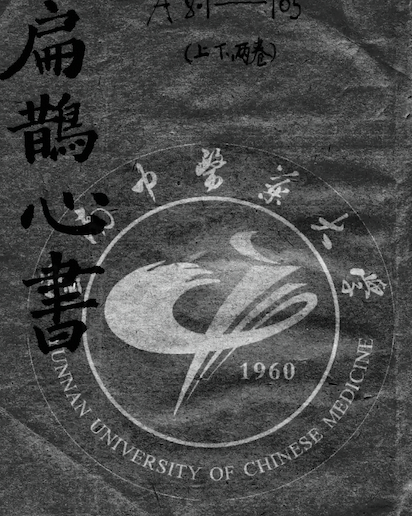
Bian Que's Heart Book(Bian Que Xin Shu)
1. A Song Dynasty Reinterpretation Under an Ancient Name
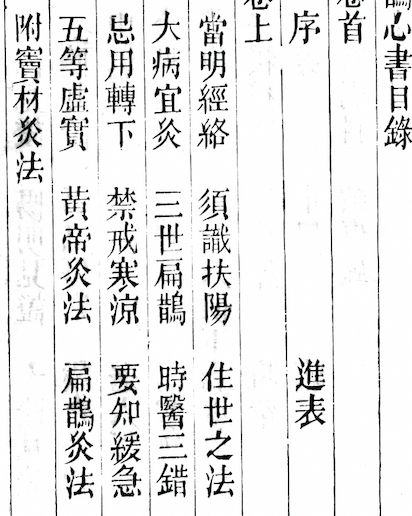
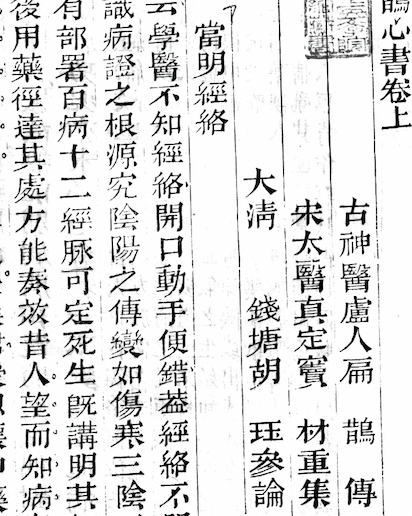
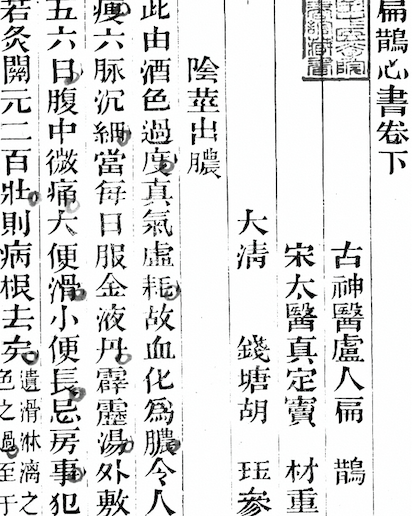
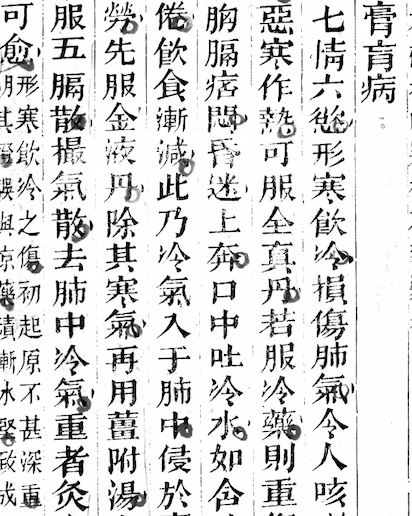
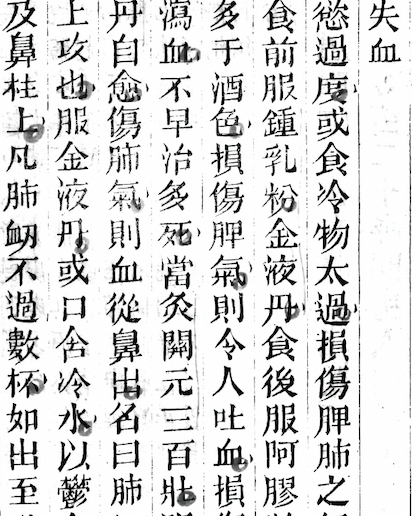
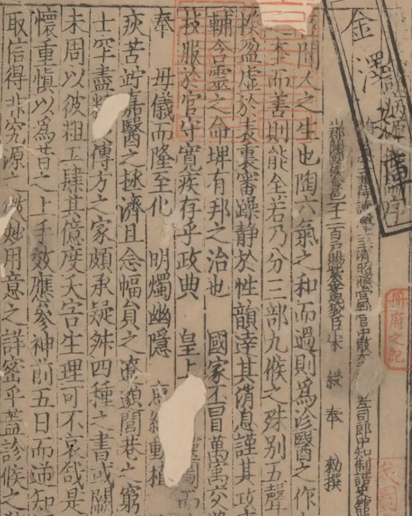
Traditionally attributed to the legendary Warring States physician Bian Que, Bian Que's Heart Book (Bian Que Xin Shu) was actually compiled by the Southern Song dynasty physician Dou Cai (c. 1140-1190), published in 1156. The value of this controversial text lies not in its authorship but in its revolutionary approach to medicine under the guise of reviving ancient tradition. It constructs one of the most radical and thorough theoretical systems for supporting Yang energy in Chinese medical history, directly opposing the then-prevalent trend of clearing heat promoted by texts like Formulas of the Imperial Pharmacy.
2. The Three-Pass Theory for Preserving Life with Moxibustion
2.1 The Theory of the Vital Yang Flame
The text proposes the core tenet that "strong Yang essence ensures longevity." It posits that:
- The body's True Yang is the vital flame of life, located three cun below the navel (the Dantian).
- After age fifty, Yang energy declines daily, diminishing by one-tenth every decade (the "moxibustion every decade" theory).
- All diseases stem from the weakening of the Yang fire, making warming and tonification the foremost treatment principle.
2.2 The Three Life-Gate Passes
It identifies three critical "passes" or gates for applying moxibustion therapy to preserve life, located at specific points along the torso, with the navel pass being primary. The text champions moxibustion as the foremost life-preserving technique.
2.3 Fatal Pulse Prognosis System
It documents 34 types of "Yang-exhaustion pulses" with predicted critical timelines, such as the "Sparrow Pecking" or "Roof Leaking" pulses, which signal imminent collapse of heart or spleen Yang.
The most compelling aspect of Bian Que's Heart Book is its forceful declaration that the essence of life is not merely precise chemistry but a flame that requires vigilant tending. In the modern world of pervasive cooling, Dou Cai's eight-century-old warning resonates: as we become adept at lowering temperature, have we forgotten the essential art of sustaining warmth? This disputed medical classic stands as a fervent signpost left at a crossroads of civilization.