San Cai Tu Hui
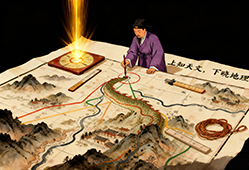
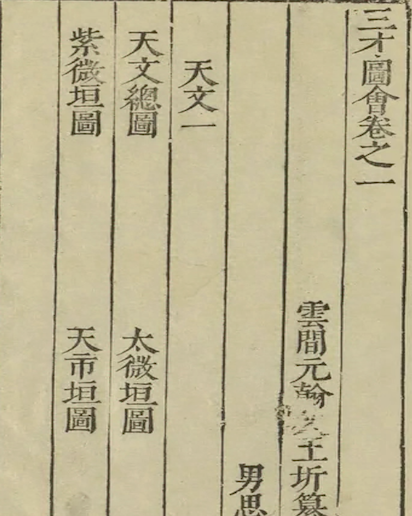
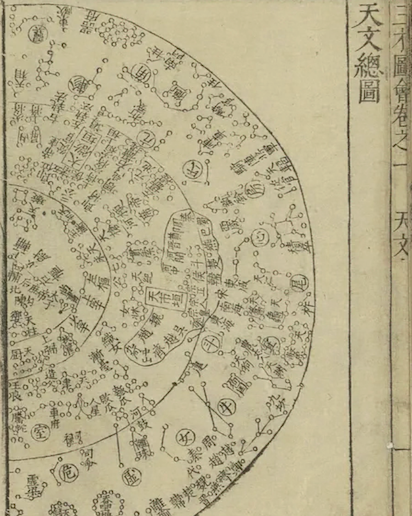
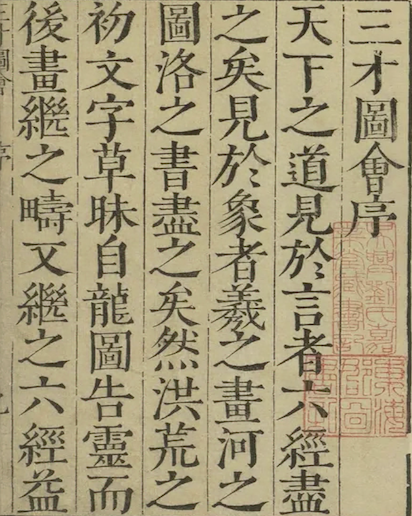
San Cai Tu Hui (The Illustrated Compendium of the Three Realms) is a major reference work compiled by Wang Qi and his son Wang Siyi during the Wanli era of the Ming Dynasty. Its title originates from the traditional Chinese cosmological concept of the "Three Realms": Heaven, Earth, and Humanity. The content is all-encompassing, covering subjects from astronomy and geography to human affairs, objects, animals, and plants. The book's greatest distinguishing feature and value lie in its editorial principle of "illustration first, text second." It preserves a vast collection of images—from celestial star charts to farming tools—making it an invaluable visual archive for studying the material culture, technological knowledge, and intellectual world of pre-modern and Ming Dynasty China.
Content Structure
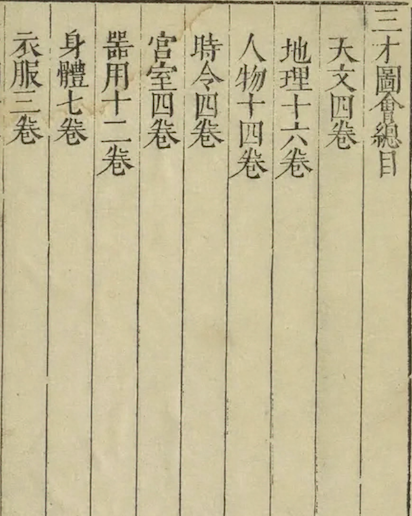
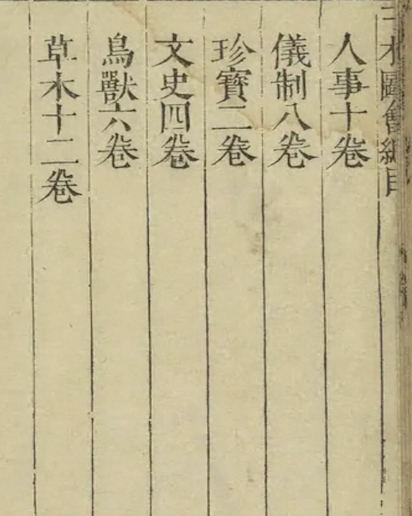
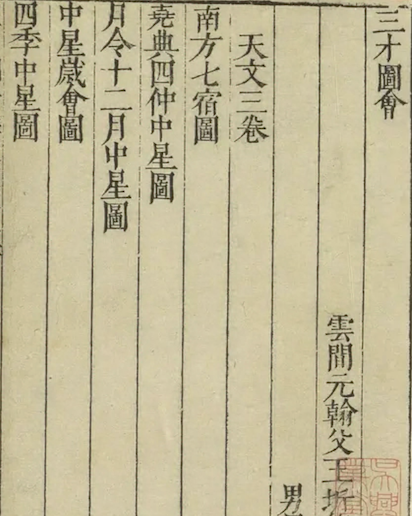
The work comprises 106 volumes, organized into 14 major categories (e.g., Astronomy, Geography, Figures, Seasons, Architecture, Utensils, Human Body, Clothing, Affairs, Rituals, Treasures, Literature, Animals, Plants). Each category presents images first, followed by explanatory text. This "image on the left, text on the right" format made abstract knowledge and concepts visually accessible, greatly aiding its dissemination and understanding.
Core Value & Features
1. An Unparalleled Visual Record: The illustrations extend beyond traditional portraits of figures and deities. They extensively document everyday and technological objects such as agricultural tools, weapons, musical instruments, vehicles, ships, architecture, and ritual implements, offering a vivid record of Ming social life and production techniques.
2. A Bridge for Knowledge: It served as a crucial educational tool, visualizing complex classical knowledge and everyday information for the literate class and broader public.
3. Historical & Research Value: The book preserves depictions of objects, clothing, and architecture now lost or evolved, providing direct visual evidence for research in history, archaeology, the history of science and technology, and art history.
4. A Reflection of Worldview: The way images are categorized and depicted—such as representations of foreign peoples or mythological creatures—reveals the worldview, cultural perspectives, and intellectual framework of the Ming Chinese.
Legacy
San Cai Tu Hui represents the pinnacle of illustrated Chinese reference works, following earlier classics like the Song Dynasty Yingzao Fashi. More than a mere reference book, it is a visual record of Ming Dynasty society and culture. It influenced later encyclopedic works, printmaking art, and knowledge exchange between China and Japan. For modern readers, it remains an essential window for exploring traditional Chinese culture and material civilization.