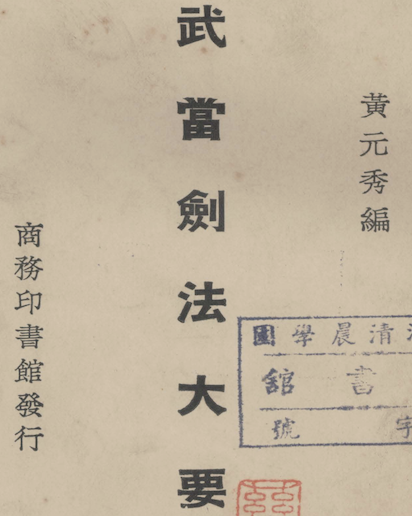
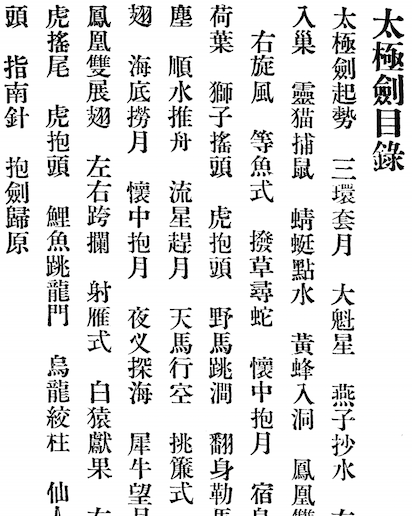
Wudang Swordplay Essentials(Daoist swordsmanship)
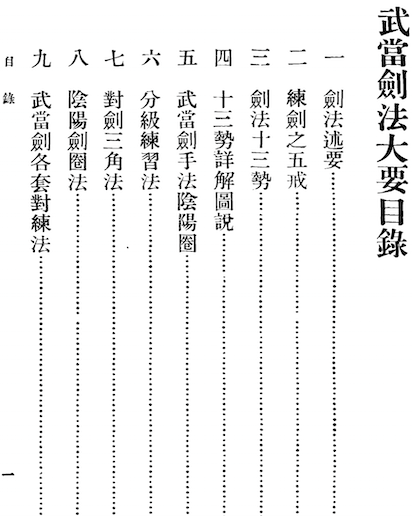
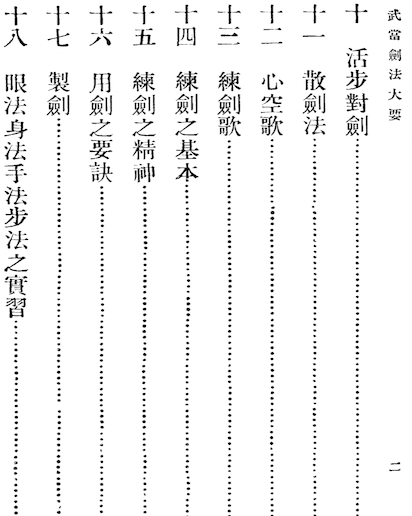
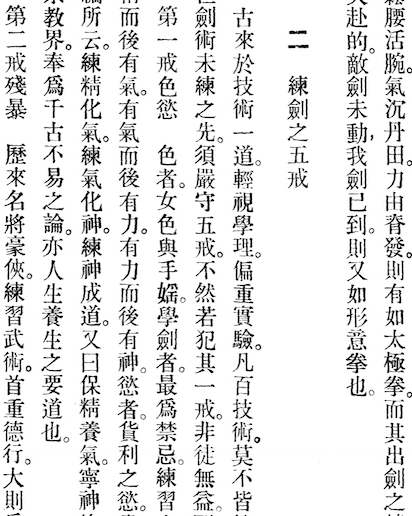
Wudang Swordplay Essentials is a classical text that systematically explains the core theory and technical system of Wudang sword arts. As a key text in Chinese Daoist martial arts, it goes beyond mere illustration of techniques to deeply interpret the core principles of Wudang swordsmanship: "using the sword to convey the Dao," "using softness to control hardness," and "unifying the body and sword." It serves as a crucial guide for students to understand the internal essence and philosophical depth of this art.
Wudang sword arts are traditionally attributed to the legendary founder of Wudang martial arts, the Daoist master Zhang Sanfeng. The technical system is deeply rooted in Daoist philosophy, including the ideas of "following the natural way," "using softness to overcome hardness," and "acting later but arriving first." Wudang Swordplay Essentials is a concrete embodiment and theoretical summation of these principles in sword practice. It frames swordsmanship as a process of harmonizing body, mind, and the natural order, emphasizing "sword intent" over "sword form" and seeking to comprehend the dynamic unity of motion/stillness, substantial/insubstantial, and attack/defense through practice.
Core Techniques & Characteristics
1. Unity of Body and Sword: Emphasizes moving the sword with the entire body, not just the arms. It requires the high-level coordination of footwork, body mechanics, hand techniques, and sword path to achieve a state where "the sword follows the body, and the body follows the sword."
2. Unique Power Application: Focuses on combining soft, controlling energies of "adhering, sticking, connecting, and following" with explosive techniques like "flicking, pointing, thrusting, and lifting." Power generation is rooted in the feet, expressed through the legs, directed by the waist, and manifested at the sword tip, representing a complete transmission of internal force.
3. Strategic Tactical Thinking: Its tactics avoid direct, forceful clashes. Instead, it excels at using circular movement to neutralize straight-line attacks, employing skill to deflect force, and avoiding the strong to attack the weak. Lethal counterattacks are embedded within defense and evasion, fully applying Daoist strategic wisdom.
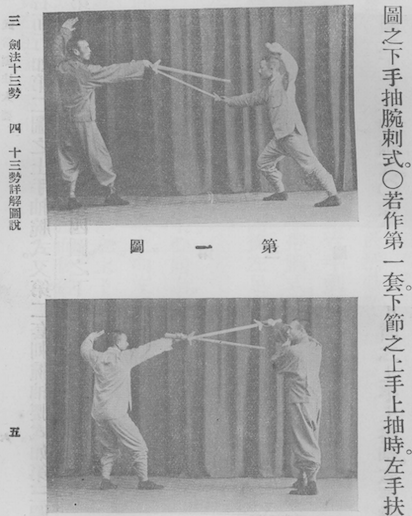
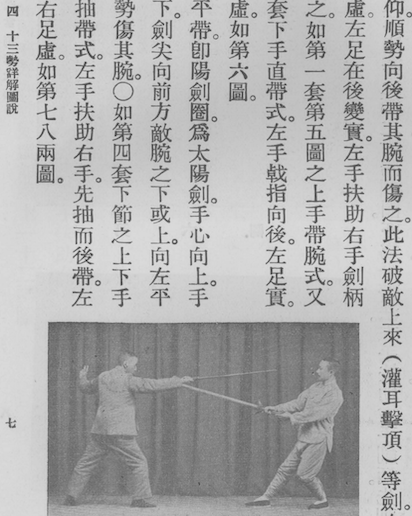
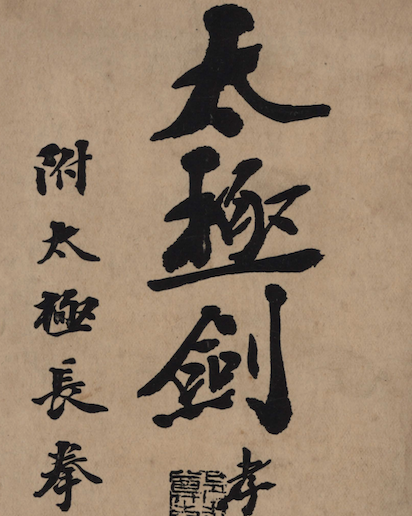
4. Integration of Form & Function: The text typically records classic Wudang sword sequences (e.g., Wudang Tai Chi Sword) and breaks down the martial application and key variations of each posture, connecting elegant performance with practical combat logic.
Training generally follows the principle of "from internal to external, from relaxation to softness":
1. Foundational Stage: Emphasizes stance training and the solo practice of fundamental sword techniques to develop a stable lower body, a relaxed and agile torso, and proper "sword feel."
2. Form Practice Stage: Involves practicing complete sword forms (taolu), linking individual techniques in dynamic motion to train the precise coordination and continuous flow of power between body, step, and sword during complex movement.
3. Application Stage: Engages in interactive application practice (e.g., paired sword drills or free play) to apply learned techniques in dynamic response, ultimately aiming for a state of effortless mastery where "intent, energy, and sword arrive together."
Studying Wudang Swordplay Essentials not only teaches a sophisticated weapons art but also allows practitioners to deeply experience the spiritual dimensions of Daoist culture through the medium of the sword, serving the multiple purposes of self-cultivation, physical training, and philosophical insight. It is a valuable legacy of traditional Wudang martial arts.