Essentials of Acupuncture and Moxibustion(Zhen Jiu Jie Yao)
1. Gao Wu's Scholarly Refinement
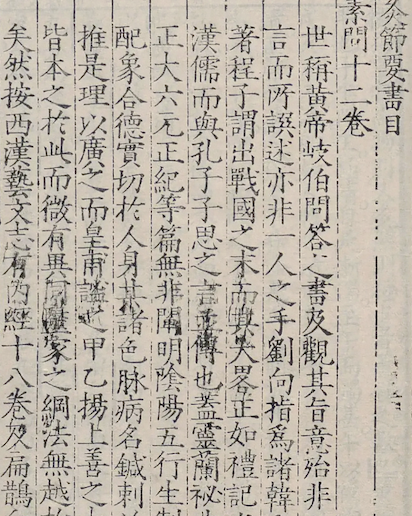
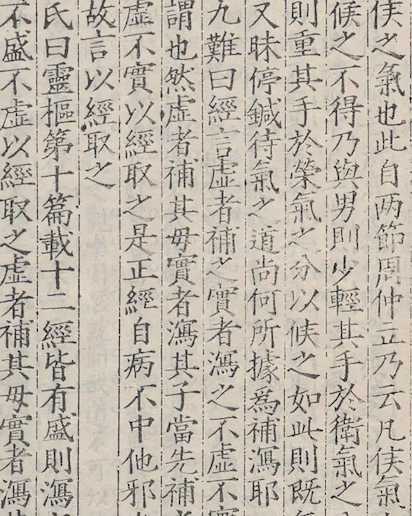
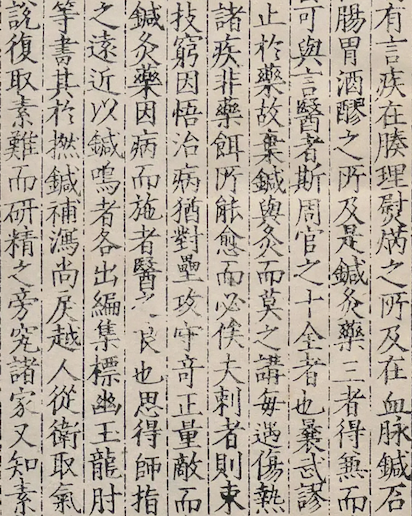
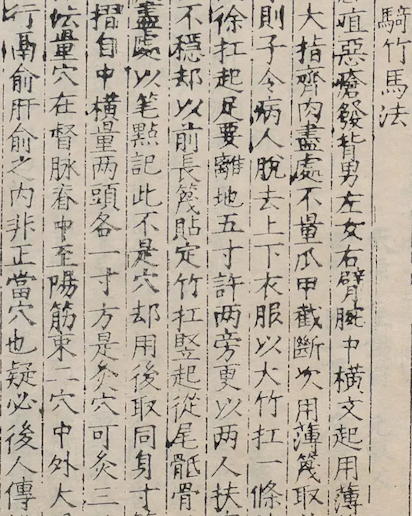
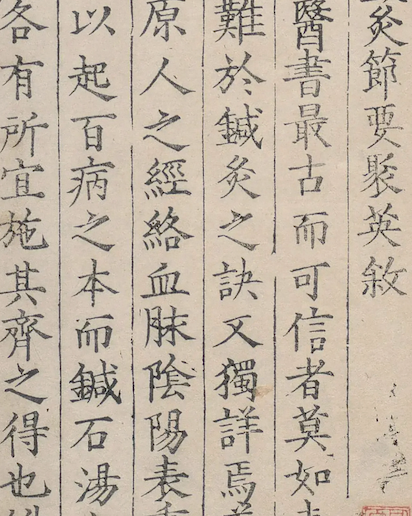
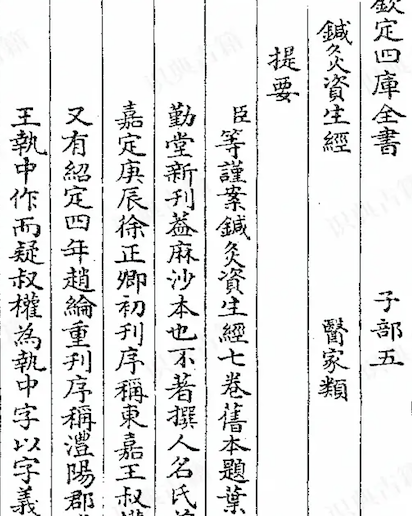
Essentials of Acupuncture and Moxibustion (also known as The Essential Principles from the Basic Questions and the Classic of Difficulties) was compiled by the imperial physician Gao Wu and published in 1537. Confronted with the complex and often contradictory theories that had developed over centuries, Gao Wu dedicated twenty years to meticulously selecting 168 core passages on acupuncture from the 386 chapters of the Huangdi Neijing (The Yellow Emperor's Inner Canon) and the Nan Jing (The Classic of Difficulties). He reorganized them under a clear four-part framework of "Principle, Method, Point, and Technique," establishing a scholarly model of "understanding the classics through the classics themselves to forge a new path." This work is not an innovation but a masterful distillation and purification of foundational knowledge.
2. A Four-Dimensional Framework of Classical Acupuncture
2.1 Theoretical Foundations (Volumes 1 & 2)
- Presents the core theories of Yin-Yang, the Five Phases, and Qi, Blood, and Spirit from the Neijing.
- Created pioneering correspondences between channel disorders and natural climatic patterns, linking seasonal influences to pulse diagnosis and point selection.
2.2 Diagnostic & Therapeutic Principles (Volumes 3 & 4)
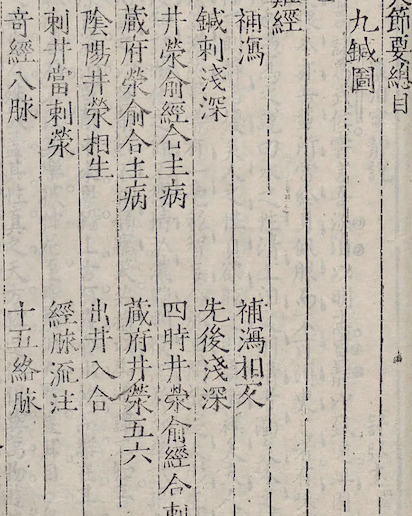
- Systematizes the application rules for the Nine Needles.
- Distills seven major principles governing reinforcing/reducing techniques and contraindications.
- Integrates the complete diagnostic and treatment process described in the classics, emphasizing the primary differentiation of Yin and Yang.
2.3 The System of Acupuncture Points (Volumes 5 & 6)
- Standardizes point locations based on classical sources, noting 37 historical variations.
- Introduces a novel classification of "point groups with similar functions" (e.g., "Five Major Heat-Clearing Points").
2.4 Clinical Insights (Volumes 7 & 8)
- Compiles 43 classical case studies from the Neijing.
- Each case includes Gao Wu's commentary, revealing the "unspoken meaning within the text," such as differentiating treatment strategies for various types of lower back pain.
The true genius of Essentials of Acupuncture and Moxibustion lies in its restraint. Gao Wu resisted the temptation to innovate, choosing instead to be a meticulous curator of the classics. This discipline resulted in a profound form of creativity: by restringing the pearls of the Neijing, he revealed the original systematic brilliance of classical acupuncture. In an era eager for new techniques and points, this work reminds us that the most advanced breakthroughs are sometimes hidden within the oldest texts, waiting to be rediscovered.