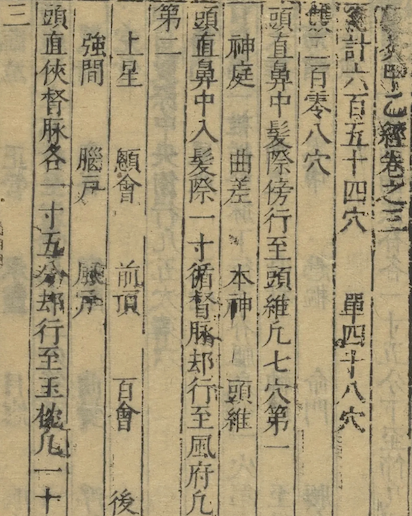
The Classic That Nourishes Life with Acupuncture and Moxibustion(Zhen Jiu Zi Sheng Jing)
1. The Pragmatic Turn in Acupuncture Theory and Practice
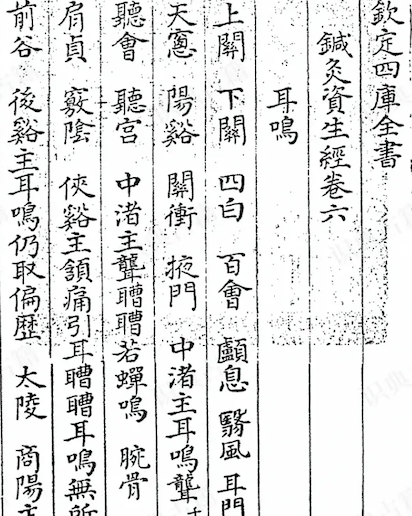
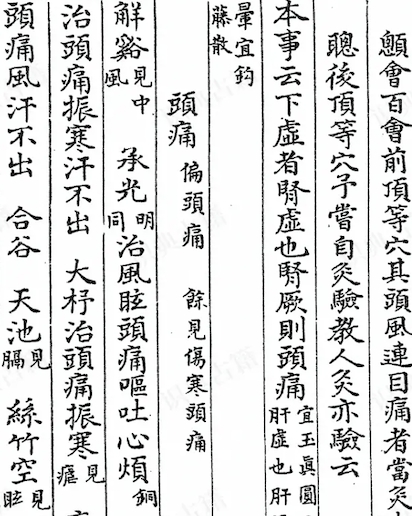
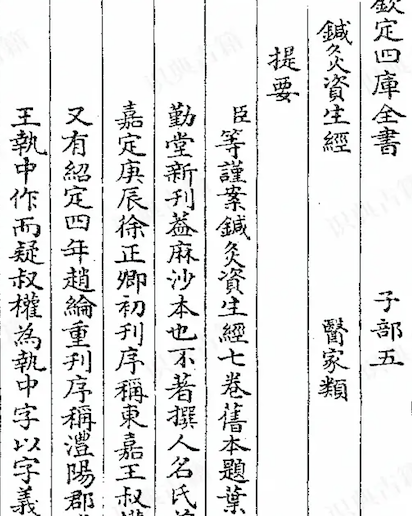
The Classic That Nourishes Life with Acupuncture and Moxibustion (Zhen Jiu Zi Sheng Jing), compiled in 1220 by the Southern Song physician Wang Zhizhong from Siming, represents a pivotal shift in Chinese acupuncture. Its seven volumes, documenting 657 acupoints, 521 case studies, and 234 herbal formulas, constitute the first comprehensive clinical guide centered on practical efficacy, integrating diagnosis, point selection, needling technique, and herbal medicine. Its breakthrough was transforming the vast theoretical system of Tang and Song acupuncture into an actionable path of "finding points according to the pattern, applying technique according to the point, and assisting with medicine," marking the field's critical turn from classical exegesis to clinical empiricism.
2. A Clinical-Thinking Framework
2.1 A Revolution in Indexing by Disease
- Pioneered a "disease-to-point" organizational structure, categorizing content under 57 disease types (internal, external, gynecological, pediatric, sense organs, etc.).
- For each condition, it provided a three-tier point selection strategy: primary, complementary, and alternate points.
- Created comparative tables for "different treatments for the same disease" and "same treatment for different diseases."
2.2 Systematic Exploration of Point Functions
For the first time, it categorized acupoints by their primary therapeutic actions (e.g., tonifying, heat-clearing, blood-activating) and proposed a quantitative concept of a single point having multiple functions.
2.3 Clinical Standardization of Needling and Moxibustion
- Established depth standards based on disease location (skin, muscle, tendon, bone).
- Created methods for judging moxibustion efficacy based on local skin reaction.
- Documented protocols for sequencing acupuncture and herbal treatments.
The enduring significance of The Classic That Nourishes Life lies in its return of acupuncture from the exalted realm of "sage techniques" to the mugwort-scented air of the community clinic. By recording real case studies, Wang Zhizhong accomplished a transformative task: shifting the foundation of acupuncture's validity from the authority of classical texts to the tangible changes in patients' bodies. Thus, this work stands as an eternal mirror, reflecting the most essential touchstone for any medical technique: not the elegance of its theory, but the sigh of relief as pain recedes and the smile that returns with restored function.