Geng Yu Sheng Ji (Skills Beyond Plowing)
Geng Yu Sheng Ji (Skills Beyond Plowing) is a comprehensive martial arts manual compiled by the late Ming Dynasty martial artist Cheng Zongyou. The title, which literally means "skills remaining after farming," reflects its nature as a practical collection of techniques accessible beyond the military elite. Centered on combat effectiveness, this richly illustrated work systematically documents various weapon arts and military knowledge circulating among the people during its time, making it a valuable resource for studying Ming-era civilian martial arts and military technology.
The Author & His Purpose
The author, Cheng Zongyou (courtesy name Chongdou), was a renowned martial arts practitioner and theorist of the late Ming period. Living in an era of internal strife and external threats, he was deeply concerned with the weakening of military preparedness. He synthesized knowledge from various masters, focusing squarely on practical application. He compiled his expertise in staff, crossbow, spear, and saber into this book with the explicit purpose of promoting martial spirit and teaching effective combat skills for national defense.
Content & Technical Systems
The book is structured around four core disciplines, each forming a dedicated volume:
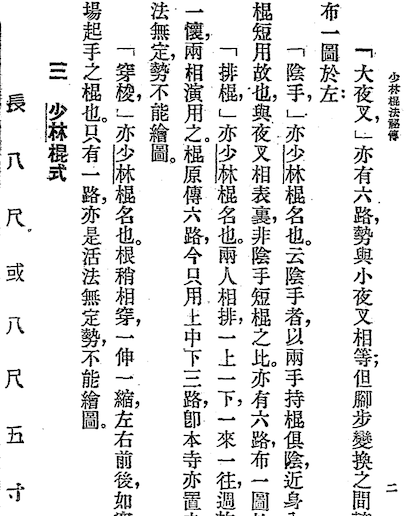
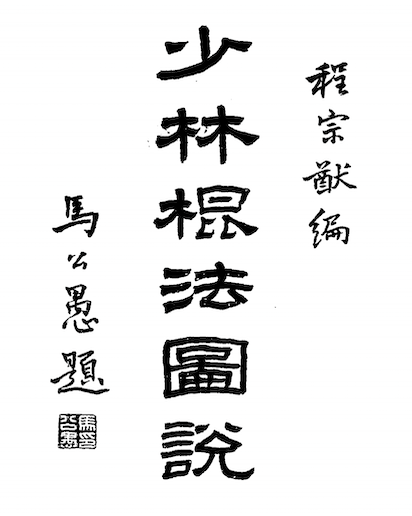
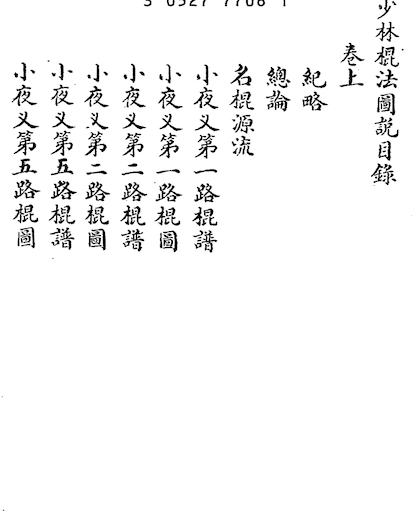
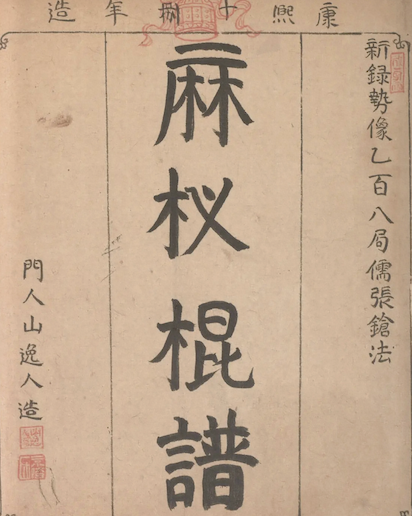
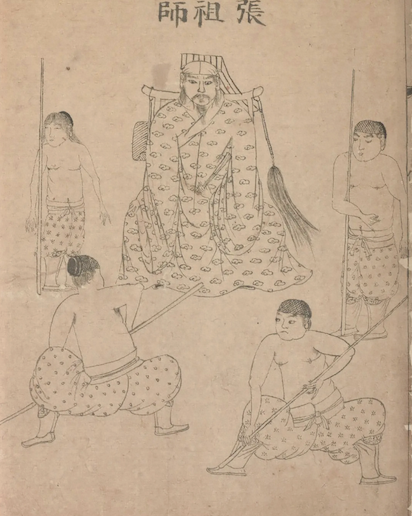
1.Shaolin Staff Method Explained: Details and illustrates the Shaolin staff techniques Cheng Zongyou learned, including theory,口诀 (mnemonic verses), forms, and combat applications. It is a key source for understanding Shaolin martial arts in the Ming era.
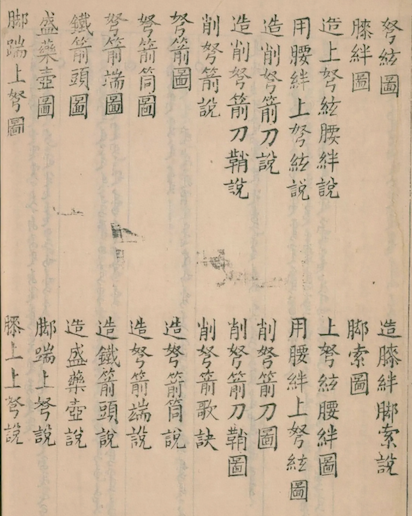
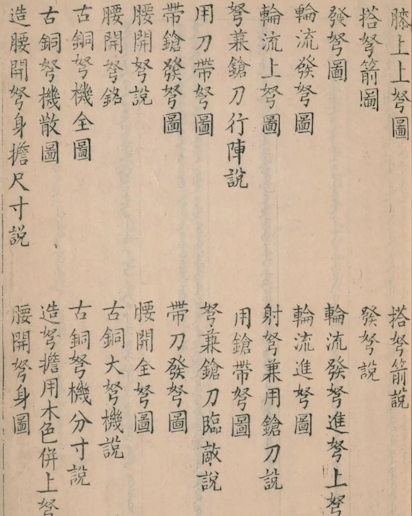
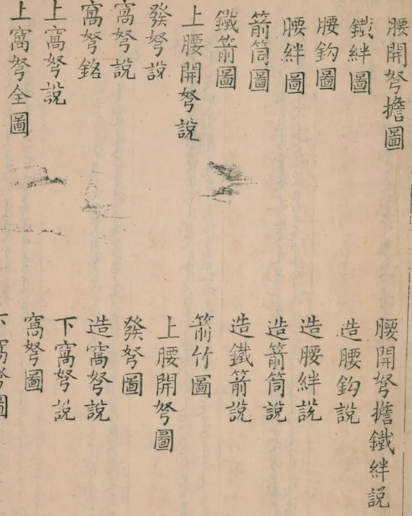
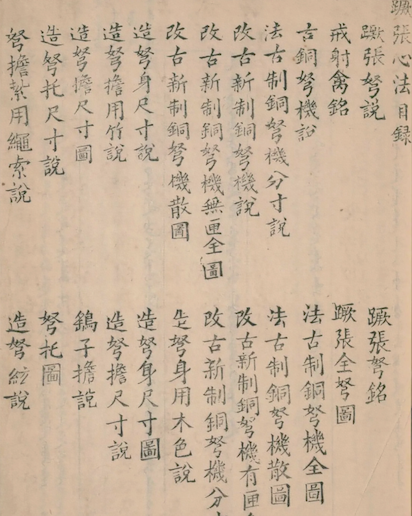
2.The Heart Method of the Foot-Drawn Crossbow: A specialized treatise on the powerful "foot-drawn crossbow" (蹶张弩), covering its construction, use, maintenance, and tactical deployment, preserving detailed data and tactical thought on Ming infantry crossbowmanship.
3.Selected Methods of the Long Spear: Systematically explains spear techniques and essential principles, including discussions on countering other weapons.
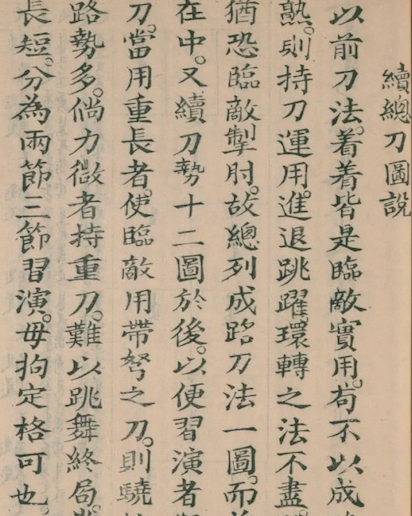
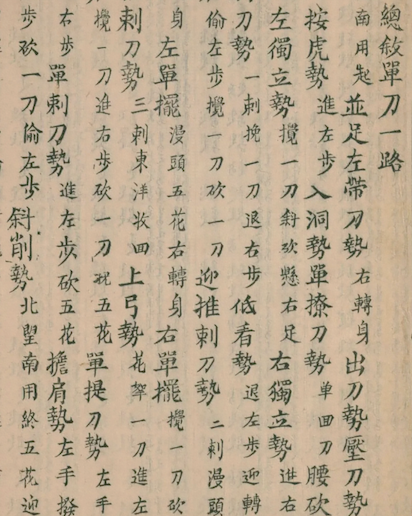
4.Selected Methods of the Single Saber: Records techniques for the single saber (primarily a two-handed long刀), emphasizing direct, fierce, and practical application.
Key Features & Historical Value
1.A Pragmatic, Combat-Focused Approach: The book rejects flashy, impractical forms. All discussions center on "effective use in battle," promoting concise and direct techniques for subduing an opponent.
2.A Priceless Visual Technical Archive: Contains numerous detailed diagrams of weapons, postures, and formations, providing直观 (intuitive) understanding of abstract techniques. This holds immense value for the history of martial arts and weaponry.
3.A Bridge in Martial Arts Literature: It serves both as a summation of Ming civilian martial arts and, with its clear systematic approach, directly influenced later martial writings (e.g., Shou Bi Lu).
4.Reflects Contemporary Defense Concerns: The emphasis on military implements like crossbows and spears directly responds to the border threats and military needs of the late Ming, offering first-hand insight into the period's civilian militarization.
Conclusion & Historical Significance
Geng Yu Sheng Ji is more than a technical martial arts manual; it is a window into the popular martial ethos and the dissemination of practical military skills in late Ming society. Its systematic, pragmatic, and illustrated nature secures its unique place in the history of Chinese martial arts, making it an indispensable classic for studying traditional weapon-based combat.