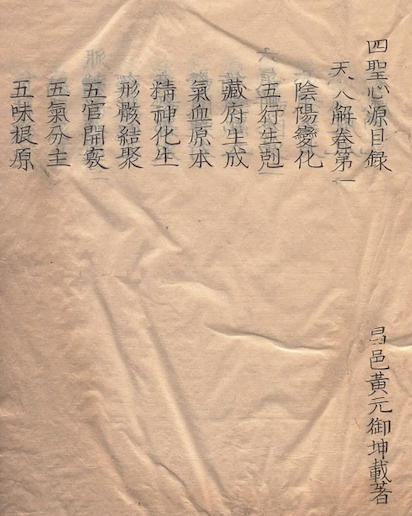
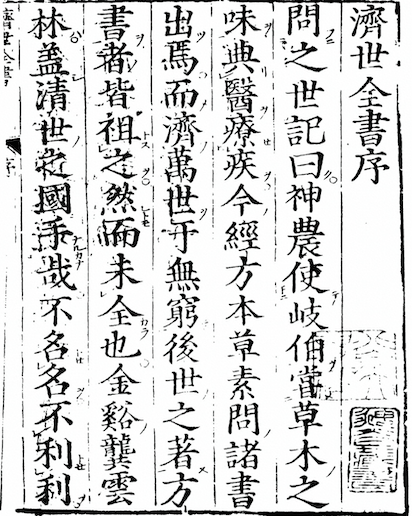
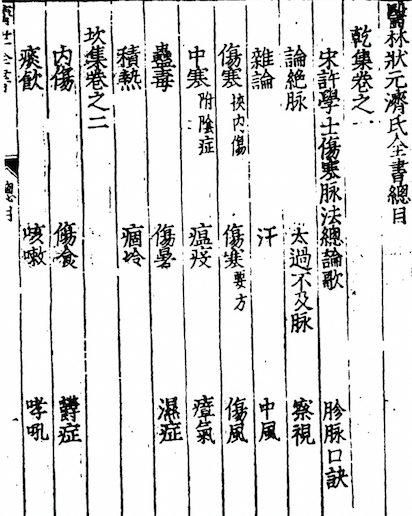
Shi Zai's Formulas(Shi Zai Zhi Fang)
Preserved Medical Treasures from an Imperial Physician
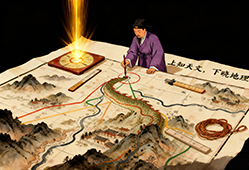
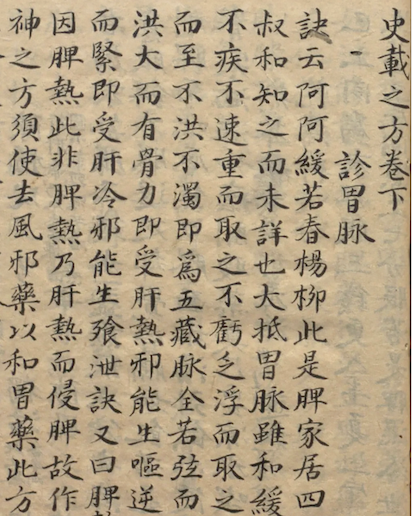
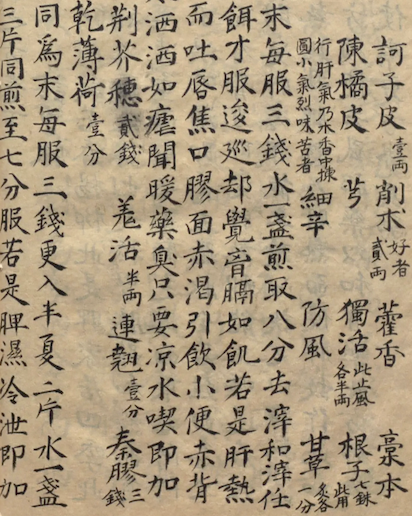
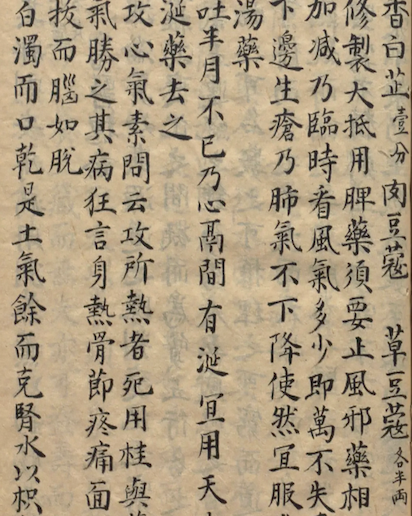
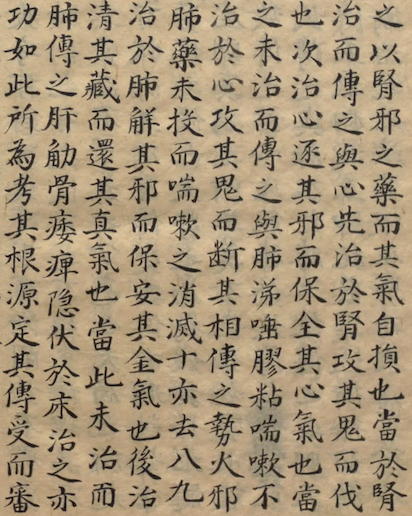
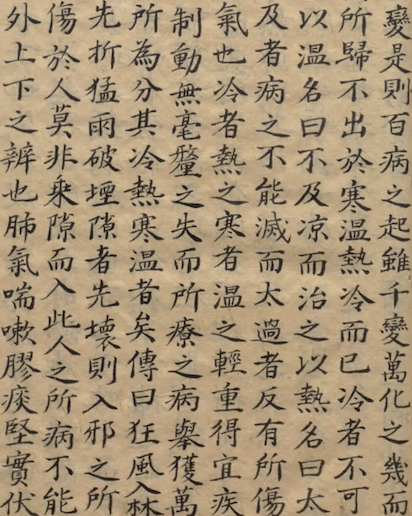
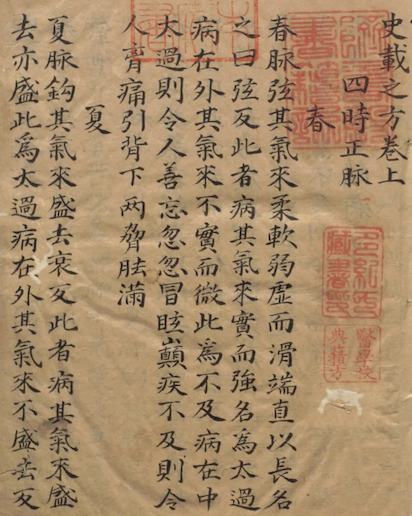
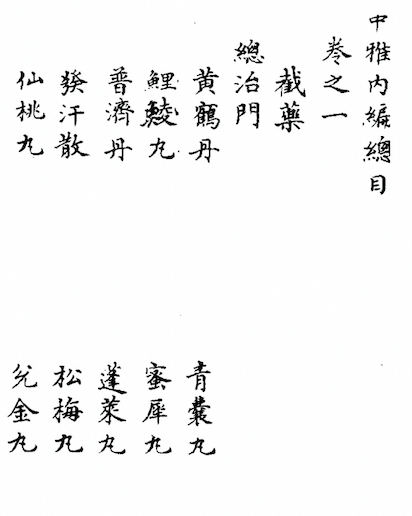
Shi Zai's Formulas (Shi Zai Zhi Fang) is a clinical formulary compiled by the Northern Song Dynasty imperial physician Shi Kan (courtesy name Zai Zhi), dating to approximately 1100 AD. It holds distinction as the first clinical medical text in Chinese history named after an individual physician. Originally in two volumes containing over one hundred formulas, its unique value lies in:
Democratizing Imperial Medicine: Simplifying and adapting formulas from the exclusive Imperial Medical Bureau for broader use.
A Case-Based Approach: Each formula is accompanied by illustrative medical cases, pioneering a practical "formula proven by case" format.
Regional Adaptability: Modifying ingredient selection and preparation to suit the climate of Bianjing (Kaifeng) and the constitution of the Central Plains populace.
A Clinical System Based on Sanjiao (Triple Burner) Theory
1. Early Practice of Sanjiao Diagnosis
Shi Kan proposed the diagnostic principle of "disease located in the Sanjiao, treatment differentiated across its three regions":
Upper Burner diseases emphasize light diffusion and promotion.
Middle Burner diseases focus on balancing ascent and descent.
Lower Burner diseases advocate combining unblocking and tonification.
2. Quantifiable Standards for Medicinal Materials
The text records pioneering methods for quality control of herbs, featuring precise processing specifications (e.g., specific soaking, stir-frying, or steaming techniques with measured amounts of adjuvants like salt or Evodia fruit). This reflects an early standardization mindset.
3. Seasonal Formula Modification
Established the "Four Seasons Modification Method," systematically adjusting formulas based on seasonal qi:
- Spring: Add wind-dispersing herbs to follow Liver qi.
- Summer: Increase summerheat-clearing and dampness-draining herbs.
- Autumn: Incorporate moistening herbs for Lung dryness.
- Winter: Add warming herbs to support Yang energy.
The enduring value of Shi Zai's Formulas extends beyond the efficacy of its prescriptions. It captures a pivotal moment of transition in medical history—as knowledge flowed from the imperial court to common practice and moved towards greater standardization. In an era concerned with herbal quality and precise application, revisiting this Song Dynasty text, with its emphasis on "selecting based on origin and modifying according to time," offers timeless insights for refining the practice of Chinese medicine.