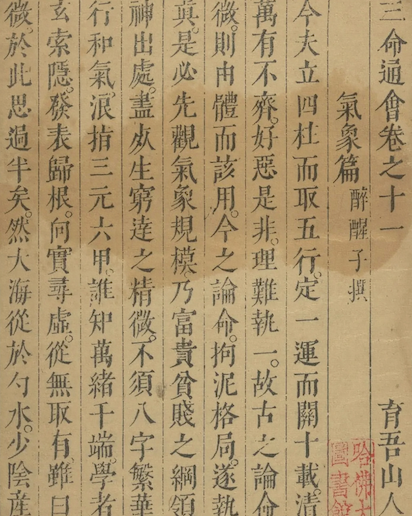
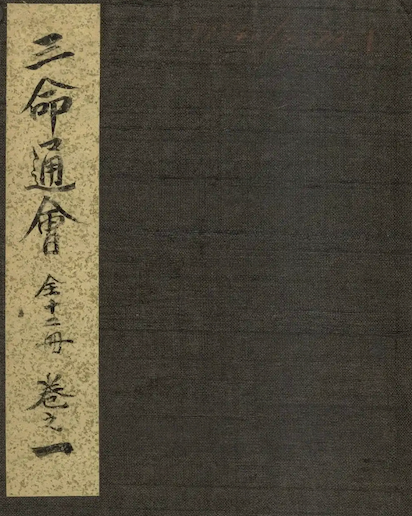
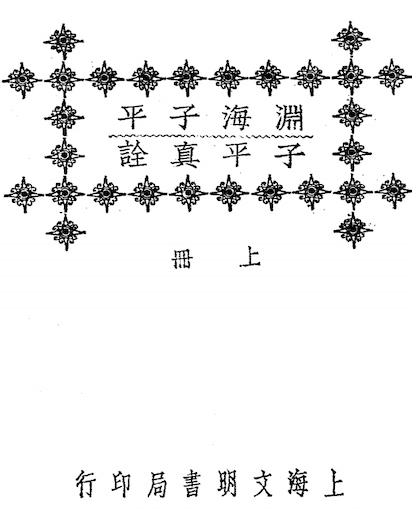
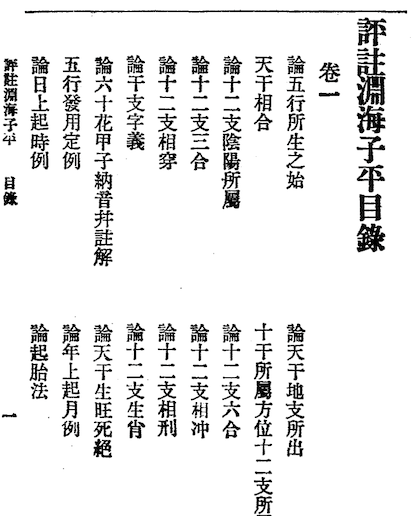
San Ming Tong Hui_Bazi
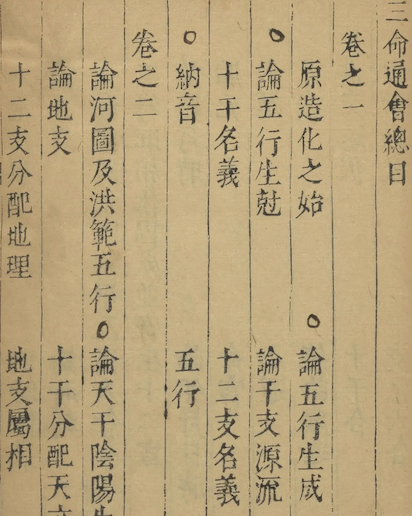
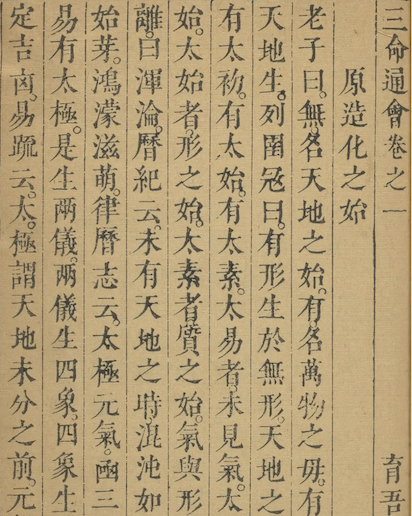
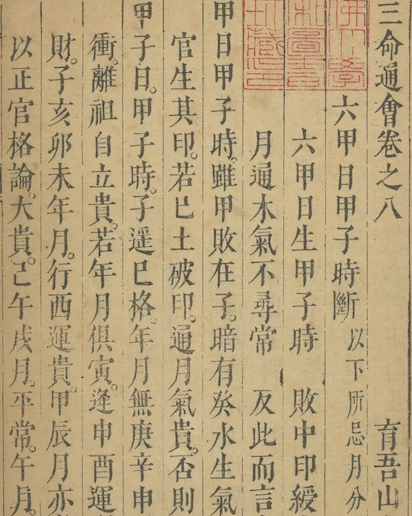
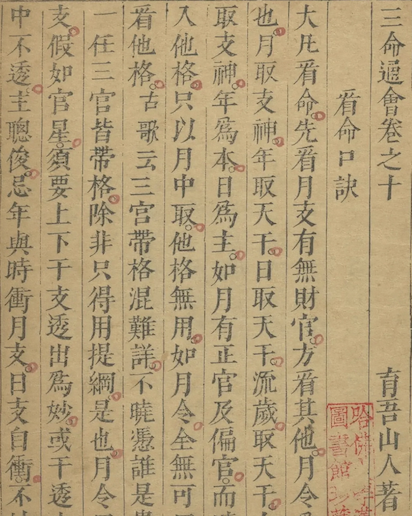
San Ming Tong Hui is a comprehensive and systematic classic of Chinese fate calculation, compiled by the Ming Dynasty metaphysician Wan Minying around the mid to late Ming period. This work systematically organizes and elaborates on the core theories of traditional destiny analysis, centered on the "Ziping method" (Eight Characters or Bazi). It extensively incorporates essential doctrines from various schools since the Song Dynasty, integrating the author's own insights and practical experience. It is revered as the "encyclopedia of Bazi fortune-telling." It represents not only the pinnacle of ancient Chinese fate studies but also serves as a vital text for understanding the intersection of traditional social philosophy, calendrical astronomy, and humanistic thought.
Content System & Structure
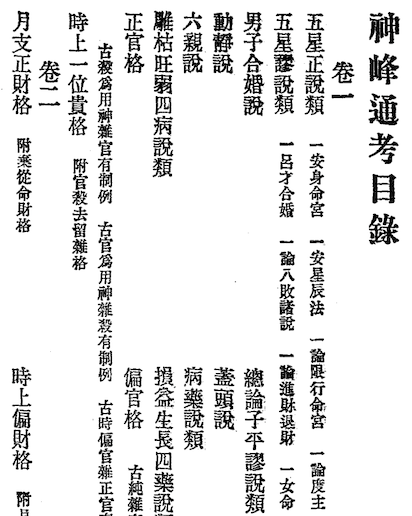
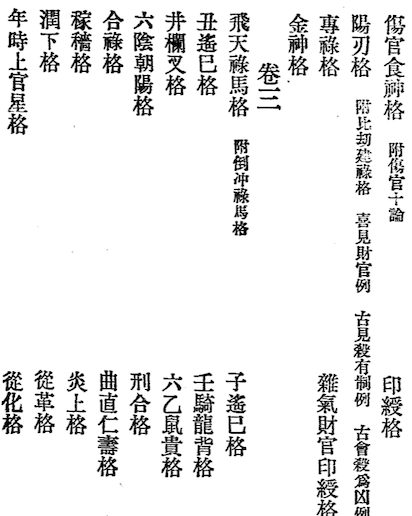
Comprising twelve volumes, the book is exceptionally rich in content, establishing a clearly structured system for fate analysis:
1. Foundational Theory Volumes: Elaborate on the basic concepts and cosmological principles of fate calculation, including the Heavenly Stems and Earthly Branches, Yin-Yang, the Five Elements, solar terms, time periods, and various astrological deities and stars.
2. Destiny Chart Analysis Volumes: The core section. It systematically discusses the methods and logic for plotting the Eight Characters, determining the "Ten Gods," assessing the pattern and level (格局) of a chart, identifying the favorable and unfavorable elements (用神喜忌), and calculating the major life cycles (大运) and yearly influences (流年).
3. Specific Discussions & Case Studies Volumes: Categorized by different life aspects (such as wealth and status, career and officialdom, marriage and children, health and longevity), these volumes analyze and verify theories using numerous real-life case studies, offering strong practical guidance.
4. Historical Essence & Mnemonic Verses Volumes: Compile essential content from earlier classics like Yuanhai Ziping and Luo Lu Zi's Treatise on the Three Destinies, and include a large number of mnemonic verses, poems, and formulas for ease of memorization and transmission.
Core Philosophy
1. Philosophical Foundation of "Heaven-Human Unity": It places an individual's birth time (expressed as the Eight Characters) within the framework of cosmic time and space, proposing a profound correspondence between human destiny and the rhythms of cosmic Yin-Yang and the flow of the Five Elements.
2. Balance-Oriented View of "Equilibrium as Paramount": It emphasizes that the ideal state in a Bazi chart is the balanced and smooth circulation of the Five Elements. The selection of favorable elements aims to supplement or harmonize imbalances in the birth chart to achieve an ideal state of "neutral harmony."
3. Ethical Perspective of "Combining Fate Principle with Moral Principle": While deducing fate, it often discusses attitudes towards life such as self-cultivation, accumulating virtue, and complying with the natural order, reflecting the influence of Confucian thought on fate culture.
4. Systematic and Standardized Nature: The work systematizes and standardizes knowledge that was previously relatively fragmented, establishing clear analytical procedures and a terminology system, greatly promoting the transmission and development of fate calculation studies.
Historical & Cultural
1. Authoritative Synthesis of Fate Calculation: Following the Song Dynasty's Yuanhai Ziping, this is another landmark work in the history of Chinese fate calculation, widely regarded as authoritative by later scholars.
2. Mirror of Social and Cultural History: Its focus on official careers, wealth, family, and health deeply reflects the social structure and common values of the Ming Dynasty populace.
3. Important Component of Traditional Culture: Its theories integrate ancient calendrical astronomy, Yin-Yang philosophy, and ethics, serving as a key vehicle for studying traditional Chinese concepts of "heavenly mandate" and the perception of individual destiny.
4. Modern Research & Debate: As part of traditional cultural heritage, San Ming Tong Hui remains a core reference for contemporary researchers of fate calculation, as well as a subject of study in folklore and cultural history. Its scientific validity continues to be a topic of external discussion.
In summary, San Ming Tong Hui is not merely a technical guide for fate calculation; it is a monumental cultural work embodying ancient systematic contemplation on the relationship between destiny, the cosmos, and human life. It provides a unique and profound window for understanding the traditional Chinese mindset and spiritual world.