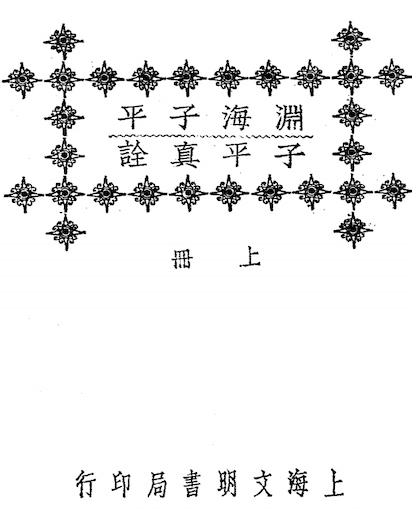
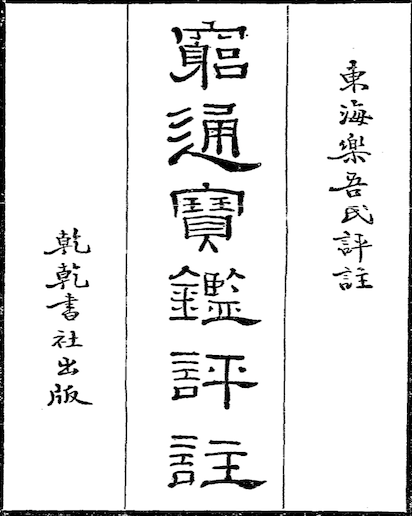
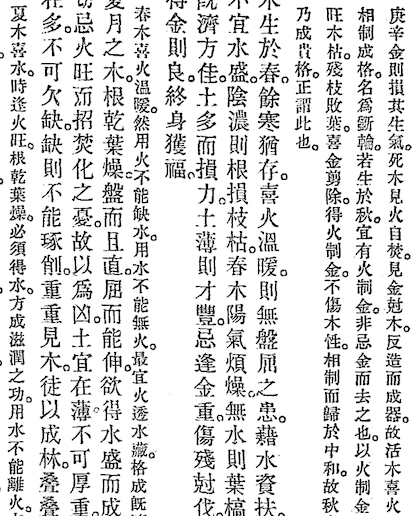
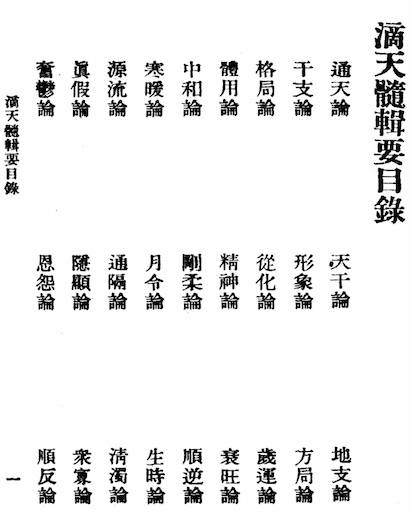
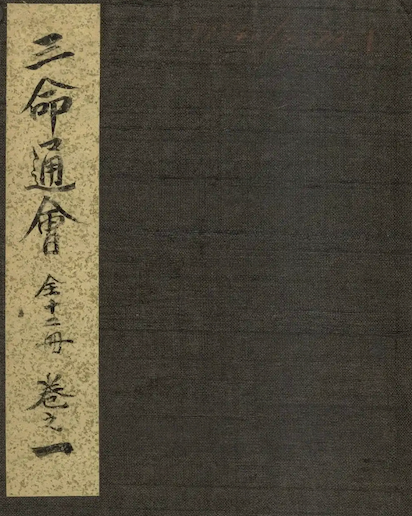
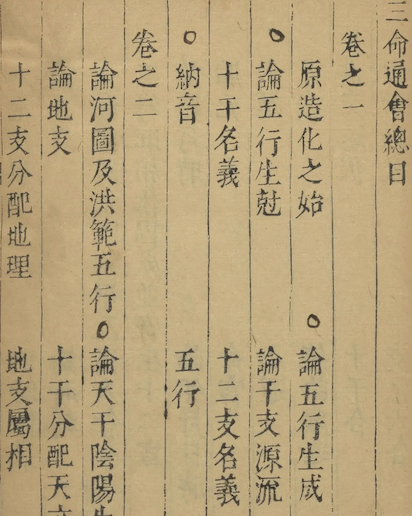
Yuanhai Ziping and Ziping Zhenquan
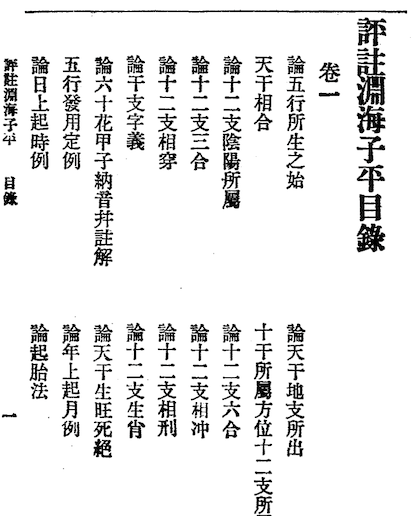
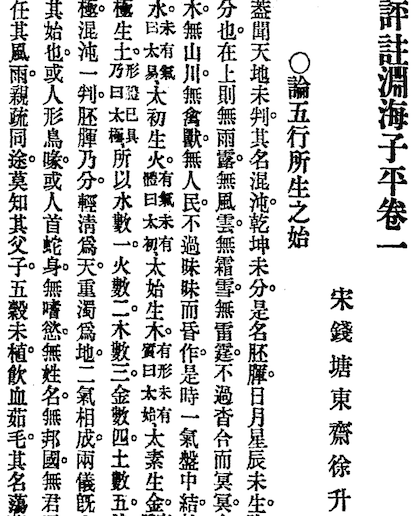
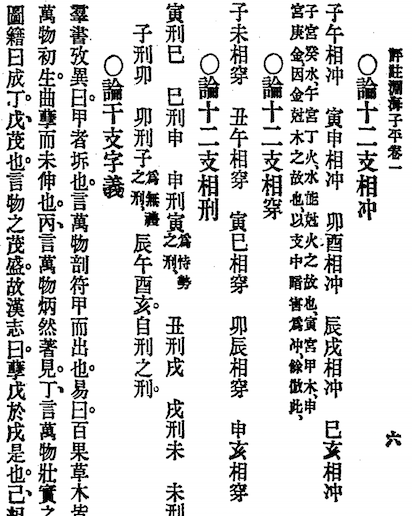
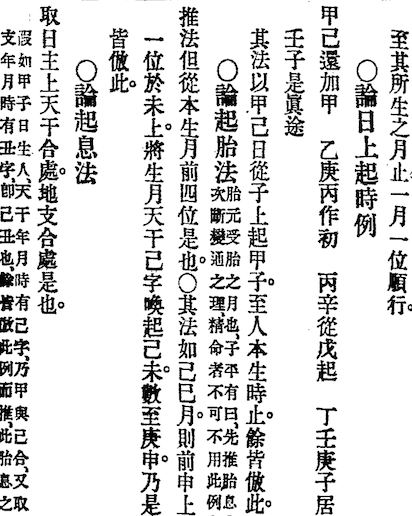
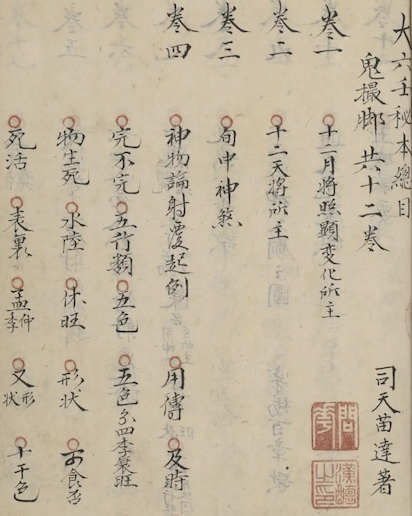
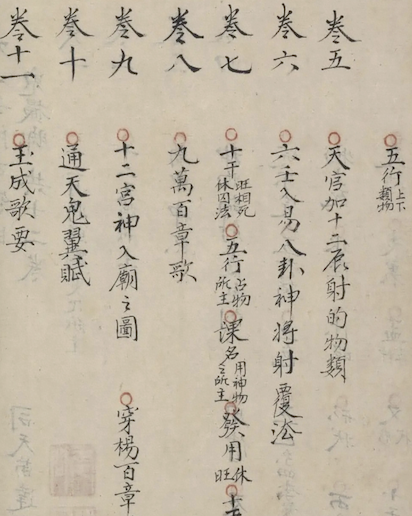
Yuanhai Ziping and Ziping Zhenquan are two pivotal, interconnected core texts within the system of Bazi (Eight Characters) fortune-telling, also known as the Ziping method. Together, they established the theoretical framework and methodological system for deducing destiny based on the Heavenly Stems and Earthly Branches corresponding to a person's birth year, month, day, and hour. Revered by later generations as the "source of all methods" and the "standard for pattern analysis" in destiny calculation, they are indispensable foundational texts for any serious study of Bazi.
Yuanhai Ziping: The Systematic Foundation of Bazi
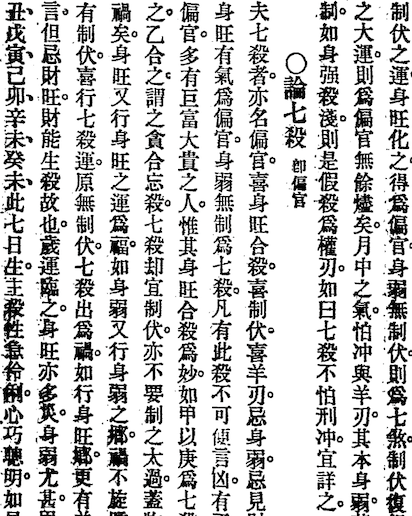
Its theories are traditionally traced back to Xu Ziping of the Song Dynasty (hence the method's name, "Ziping technique") and were later compiled and edited by Ming Dynasty scholars. This work first systematized previously scattered knowledge of fate calculation, establishing the core analytical model centered on the Day Stem (representing the individual) and its interactions of generation, overcoming, reinforcement, and transformation with the other seven stems and branches.
1. Core Contribution: It clarified the concepts and definitions of the "Ten Gods" (e.g., Direct Officer, Killing Officer, Direct Resource, Indirect Resource) and created the basic paradigm of using "Patterns" to assess nobility/commonality and "Auxiliary Stars/Deities" to determine specific auspicious or inauspicious signs.
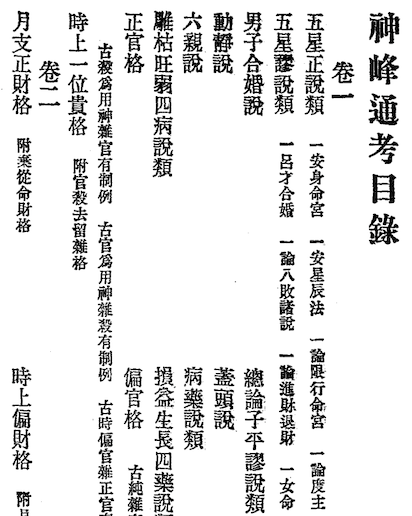
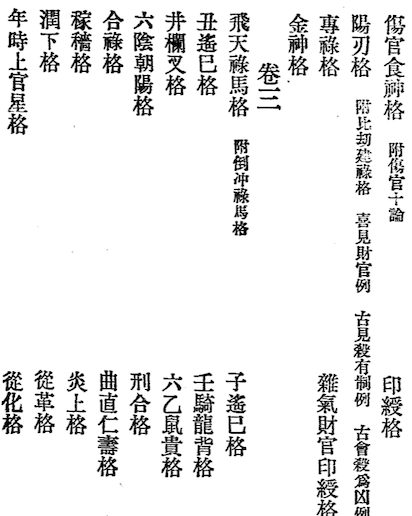
2. Content Characteristics: Vast in scope and encompassing a wide range, it covers fate calculation along with divination and selection of auspicious times. It is a comprehensive synthesis of early knowledge, though its system can appear somewhat complex.
Ziping Zhenquan: The Pinnacle and Refinement of Pattern Analysis
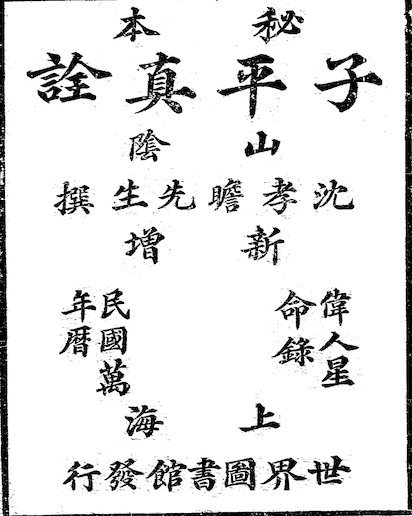
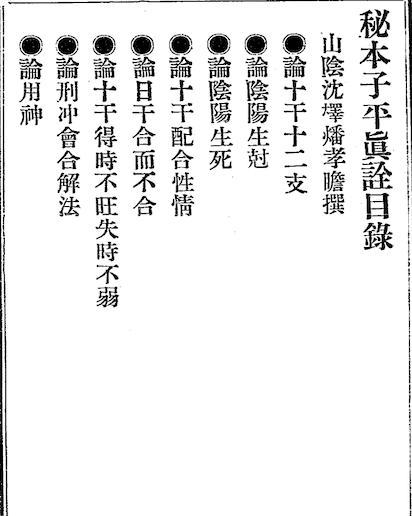
Authored by Shen Xiaozhan, a Qing Dynasty scholar, this is a specialized treatise focused on the theory of "Patterns" in fate calculation. In response to the proliferation of confusing schools and theories after Yuanhai Ziping, it sought to return to the roots, systematically and rigorously expounding on the classification, success/failure, rescue, and favorable/unfavorable elements of Bazi patterns.
1. Core Contribution: It significantly deepened and developed pattern theory. It clearly established the primary principle of "focusing on the Month Branch to determine the pattern" and provided insightful discussions on the standard and variant forms of the eight core patterns (Officer, Killing, Wealth, Resource, etc.) and the methods for selecting useful elements. Its logic is stringent and its principles clear.
2. Content Characteristics: Its theory is pure, its logic clear, and its focus sharp. It is hailed as the "textbook for learning Bazi patterns," elevating the scholarly nature of the Ziping method to new heights.
The Relationship Between the Two Texts & Core Theoretical Framework
The two texts complement each other, forming the complete skeleton of the Ziping method:
1. Yuanhai Ziping provides the "flesh and blood" and "materials": It establishes the basic concepts, system of auxiliary stars/deities, and a wealth of empirical judgments.
2. Ziping Zhenquan provides the "skeleton" and "soul": It offers rigorous analytical logic and the core methodology of pattern analysis.
3. Shared Theoretical Foundation: Both are rooted in the philosophy of the generation, overcoming, reinforcement, and transformation of the Yin-Yang, Five Elements, Heavenly Stems, and Earthly Branches. Both emphasize the destiny philosophy of "neutral balance" and "following the natural tendency."
Historical Status & Modern Study Value
1. Historical Status: These two classics mark the mature transition of Bazi fortune-telling from an experiential art to a systematic discipline, influencing the development of all subsequent schools of fate calculation.
2. Modern Value: For researchers of fate calculation, they are essential reading for tracing the source. Yuanhai Ziping broadens one's perspective and understanding of the traditional panorama, while Ziping Zhenquan trains rigorous logical thinking and mastery of core methodology.
3. Cultural Significance: As part of traditional culture, they reflect the unique cognitive models and exploratory spirit of the ancients regarding human destiny, social relations, and natural laws.
In summary, to truly master the profound depths of Bazi fortune-telling, one must study Yuanhai Ziping to understand its breadth and Ziping Zhenquan to grasp its subtleties. These two works shine like twin stars, illuminating the profound expanse of traditional Chinese destiny calculation.