Zang Shu (The Book of Burial)
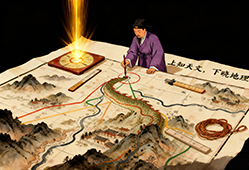
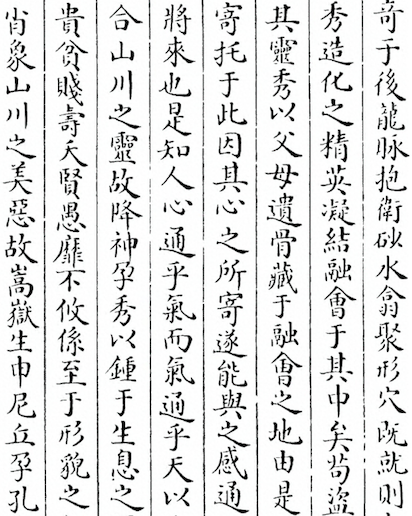
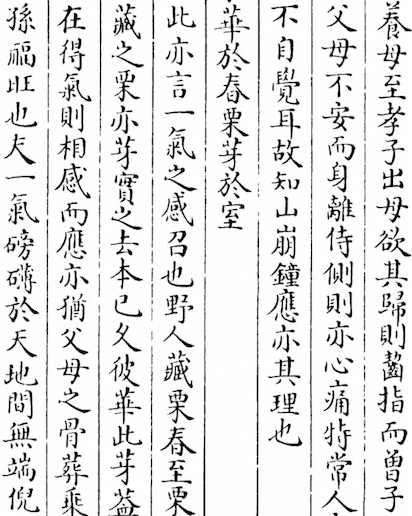
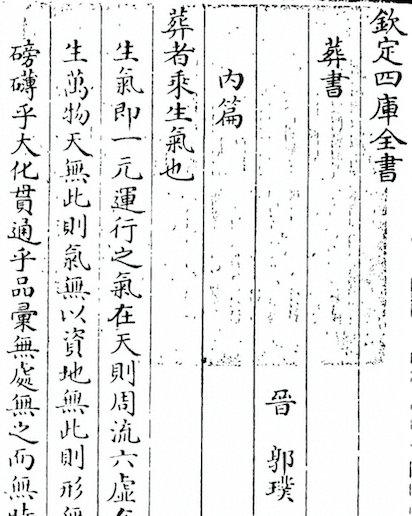
Zang Shu (The Book of Burial) is the foundational and core classic of ancient Chinese geomancy, or Feng Shui (Kanyu Xue). Attributed to the Eastern Jin dynasty scholar Guo Pu, this work was the first to systematically explain the concept of "Feng Shui" and its core theories. It intricately connects the selection and arrangement of burial sites (yin dwellings) with the natural environment—landforms, mountains, rivers, and airflow—establishing a complete doctrine of burial geography. It profoundly influenced subsequent architectural planning, city site selection, and funerary culture in China and across East Asia, revered by later geomancers as the "source of Feng Shui."
1. Core Philosophy: Harnessing "Vital Energy" (Sheng Qi) as the Foundation
The core philosophy of Zang Shu revolves around the concept of "Qi" (energy/breath). It posits:
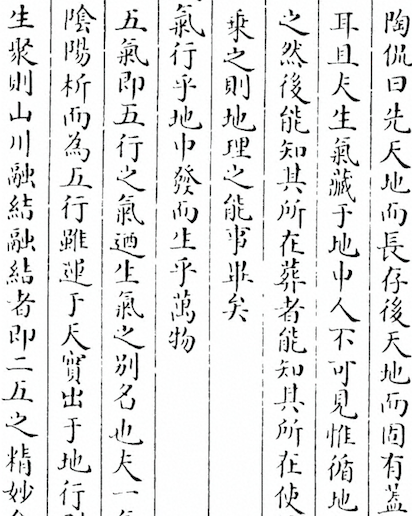
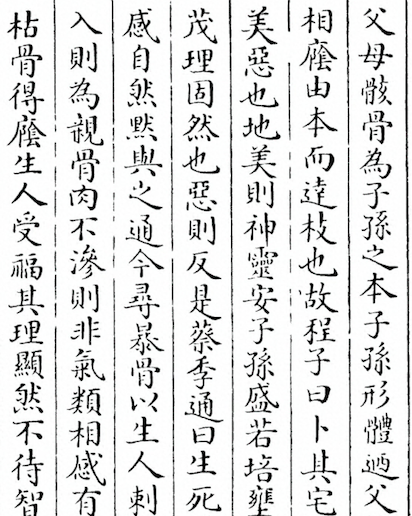
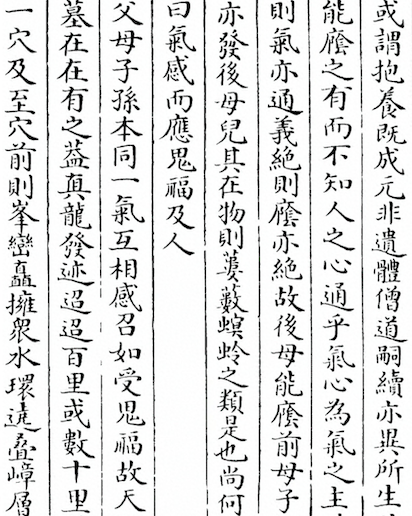
"Burial means riding the vital energy": It states that the fundamental purpose of burial is to inter the deceased in a location where vibrant, circulating "vital energy" (Sheng Qi) gathers. This energy can then resonate with and bring blessings to the descendants of the departed.
"Qi disperses when carried by the wind, and stops at the boundary of water": This is the direct origin of the term "Feng Shui" (Wind-Water). An ideal geomantic site requires shelter from wind to accumulate Qi and the presence of water to contain it, preventing its dissipation. Therefore, the examination of "wind" (airflow) and "water" becomes crucial.
The Dialectic of "Form" and "Configuration": It emphasizes observing the harmony between the broad configuration of the landform ("Shi," configuration/potential) and its specific local shapes ("Xing," form). For example, the principle "a thousand feet is for configuration, a hundred feet is for form" calls for unified harmony from the macro to the micro level.
2. Main Content & Site Selection Principles
The book proposes a specific system for geomantic site selection and evaluation:
The Ideal "Four Celestial Animals" Model: It introduces the ideal topographical pattern of the "Green Dragon on the left, White Tiger on the right, Vermilion Bird in front, and Black Tortoise behind." This requires the surrounding mountains or landforms of a burial site to embrace it like these four mythical creatures, creating a space that shelters from wind and accumulates Qi.
The Five Key Elements: "Dragon, Cave, Sand, Water, Direction":
Dragon (Long): Refers to the winding, undulating trends of mountain ranges, which are the source of vital energy.
Cave (Xue): Refers to the specific point where the mountain's vital energy concentrates and is suitable for burial.
Sand (Sha): Refers to the hills or landforms surrounding the cave site, serving protective and containing functions.
Water (Shui): Refers to rivers or water systems, used to define boundaries and nurture the vital energy.
Direction (Xiang): Refers to the sitting and facing orientation of the burial site, which must harmonize with the incoming dragon and the water flow.
Judging Auspiciousness and Inauspiciousness: It details the auspicious or inauspicious implications of various landforms and water patterns, such as "winding with affection is auspicious, straight rushing or conflict is inauspicious."
3. Historical Status & Influence
Theoretical Origin: Zang Shu marks the elevation of geomancy from early, simple land-form assessment experience to a doctrine with systematic theory, laying the theoretical foundation for the later "Form School" (also known as the "Luantou School") of Feng Shui.
Cultural Influence: Its philosophy became deeply integrated into traditional Chinese architectural planning, garden design, and funerary rituals, serving as a crucial guiding principle for selecting human settlements in ancient times.
Academic Debate: As an early classic, its text is archaic, leading to numerous later commentaries and divergent schools of interpretation. It has also sparked long-term discussion regarding its scientific nature, philosophical content, and social impact.
In summary, Zang Shu is not merely a book about burial; it is an ancient philosophy about how the Chinese understood, selected, and shaped ideal living environments. It initiated a unique field of study exploring the deep-level interaction between humans and their environment, an ideology that still permeates cultural memory and spatial practices today.