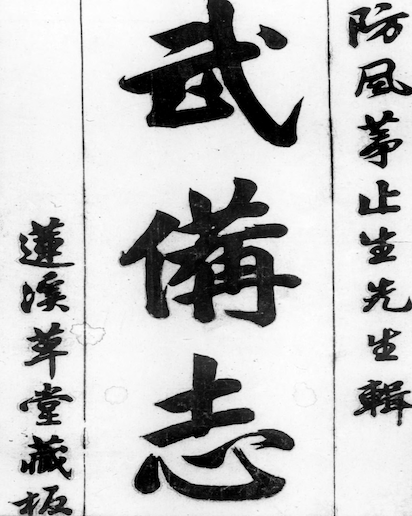
Treatise on Military Preparedness(Wu Bei Zhi)
1. An Encyclopedic Database of Warfare
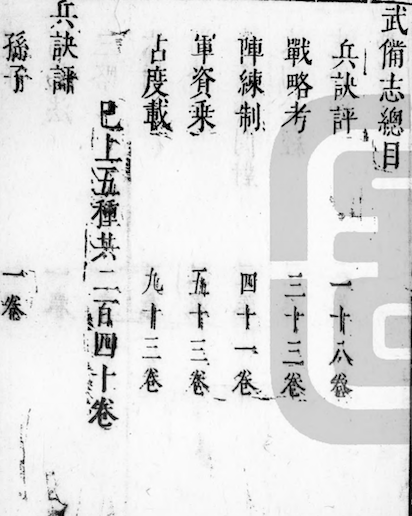
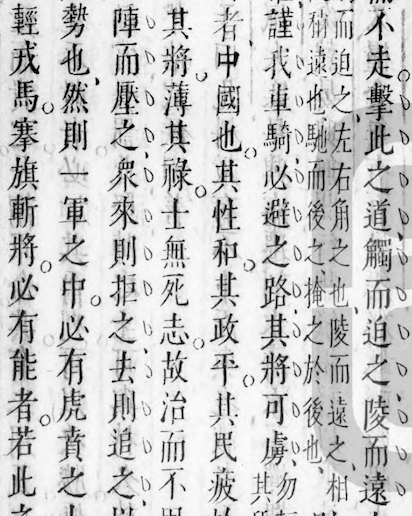
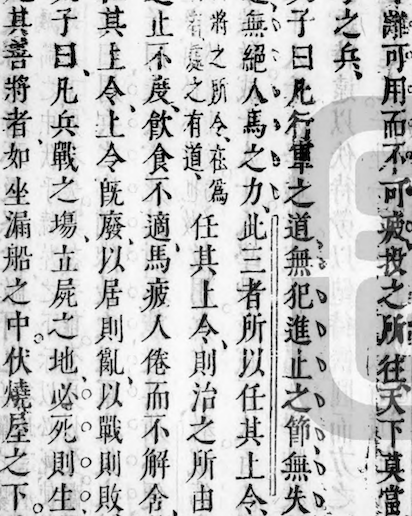
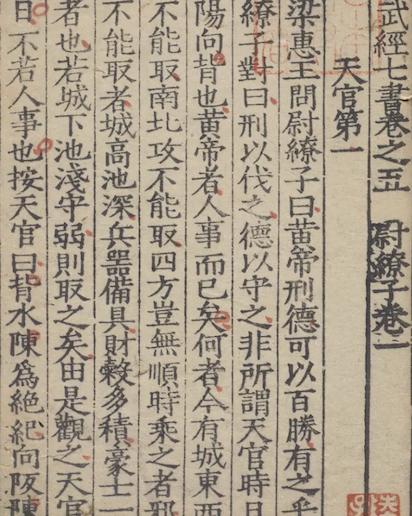
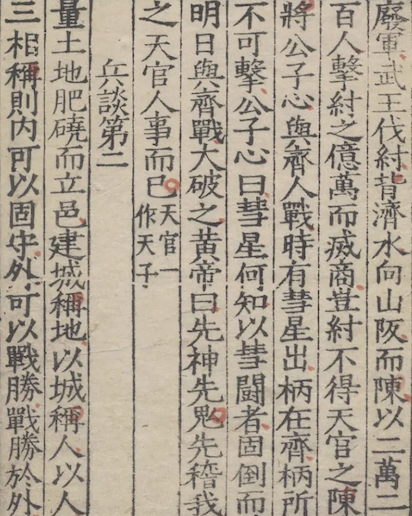
The Treatise on Military Preparedness (Wu Bei Zhi), compiled by the military strategist Mao Yuanyi over fifteen years and completed in 1621, is a monumental work of late imperial China. Spanning 240 volumes with approximately two million words and over 700 illustrations, it is far more than a simple military manual. It is a massive reference work integrating over two millennia of military technology, strategic thought, weaponry, geography, hydrology, logistics, and military organization from the Warring States period through the late Ming dynasty. It is rightly called "the encyclopedia of ancient Chinese military science." Compiled during a dual crisis for the Ming—the rise of the Later Jin (Qing) in the northeast and internal upheaval—the work has a clear practical and urgent focus on statecraft and survival.
2. A Five-Part, Multidimensional Framework
2.1 Evaluation of Military Principles (A Library of Strategic Theory)
Collects and comments on 18 crucial military texts from the pre-Qin era to the Ming, such as Sunzi's Art of War.
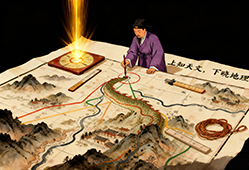
Innovatively uses diagrams of "strategy sand tables" to visualize abstract stratagems as geographical situations.
2.2 Examination of Strategy (A Database of Historical Campaigns)
Systematically analyzes 619 major battles from the Spring and Autumn period through the Yuan dynasty.
Pioneers a "key factor analysis" method for victories and defeats, noting critical decision points in each engagement.
Preserves records of rare campaigns, such as Tang dynasty warfare on the Tibetan plateau.
2.3 Systems of Formation and Training (Tactics and Drills)
Formations Section: Illustrates 214 formations, from ancient chariot arrays to Ming-era "Mandarin Duck" squads and wagon forts.
Training Section: Documents manuals for cold and firearm weapons, physical training, and military discipline.
Advocates the flexible principle that "formations change with terrain, training varies with weapons."
2.4 Logistics and Equipment (A Survey of Armaments and Supply)
This vast section catalogs the technology of war:
Siege & Defense Tools: Fortifications, siege towers, various war carts.
Firearms Compendium: Cannons, arquebuses, explosives, rockets (including detailed specs for multi-stage rockets).
Naval Vessels: Designs for riverine, coastal, and oceangoing warships, detailing the watertight bulkheads of Fujian-style junks.
Military Logistics: Solutions for grain storage, field medicine, transport, communication, disease prevention, and field kitchens.
2.5 Prognostication and Measurement (Military Geography and Intelligence)
Astronomy & Meteorology: Applying celestial navigation and weather prediction to warfare.
Geography & Cartography: Includes precious maps like a complete version of Zheng He's Nautical Charts.
Frontier Defense: Details the Ming "Nine Border Garrisons" system and intelligence on neighboring peoples.
3. Four Concepts Ahead of Their Time
3.1 A Philosophy of Military Technology: Systems Thinking
Emphasizes that advanced weapons are only effective when integrated with matching tactics, training, and logistics—a critique of the contemporary over-reliance on hardware alone.
3.2 The Germination of Maritime Strategic Thought
Its extensive coverage of nautical charts and warships, coupled with arguments for "repelling invaders at sea," reveals an uncommon awareness of maritime defense.
3.3 A Forward-Looking Warning of Military Transformation
By systematically compiling firearms technology, it vividly illustrates the changing nature of warfare in an age of mixed arms and urgently calls for reforms in Ming military organization.
3.4 Pragmatic Reflections on the Ethics of War
While documenting various "stratagems and deceits," it simultaneously stresses the principles of "avoiding war," "prudence in warfare," and "putting the people first," reflecting a deep humanistic concern.
A Book of Profound Concern, Born from Crisis
The vast depth of the Treatise on Military Preparedness is rooted in a civilization's deep introspection and desperate effort for self-preservation in a time of crisis. It is not merely a catalog of knowledge but an attempt to find a viable path for an ailing empire by clarifying the patterns of a millennium of warfare and synthesizing all available "methods" and "tools." Although this monumental work could not reverse the Ming dynasty's collapse, the systematic thinking, technological rationality, and pragmatic spirit it embodies transcend the rise and fall of dynasties, securing its place as an enduring monument within humanity's shared military and cultural heritage.