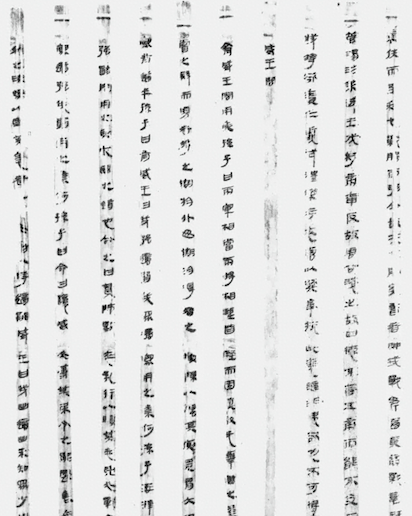
Wei Liaozi(Warring States military law)
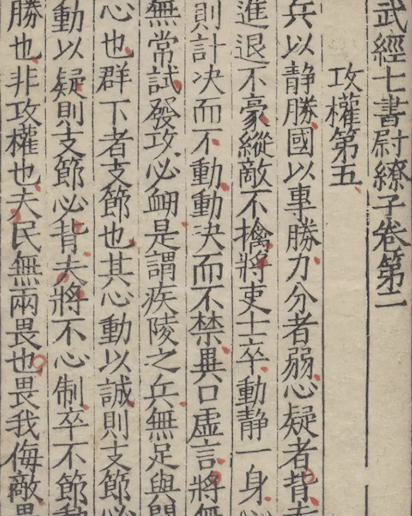
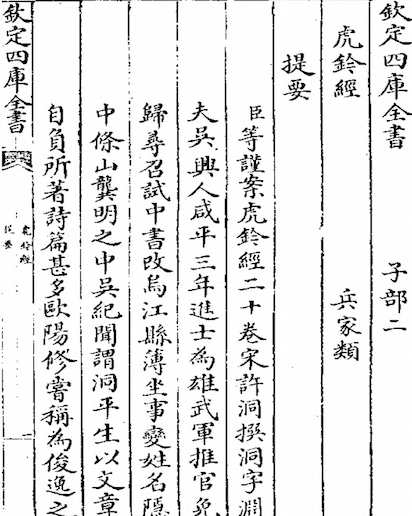
Wei Liaozi is a significant military and political treatise from the late Warring States period to the Qin Dynasty, traditionally attributed to the military strategist Wei Liao. The text focuses on military legal systems, principles of army administration, and national strategy, integrating military stratagems, Legalist concepts of punishment and reward, and Confucian people-oriented governance. This blend of doctrines reflects the distinct character of its era. It is not only an important document on pre-Qin military institutions but also a work of political philosophy exploring the rule of law in the military and strengthening the state through force. It is later included among the Seven Military Classics.
Philosophical Nature
The work was compiled during the peak of annexation wars in the Warring States period, reflecting the political and military demands for centralized authority and strict legal codes on the eve of the Qin unification. Unlike The Art of War, which focuses on strategy, or Wuzi's Art of War, which emphasizes army administration, the core distinction of Wei Liaozi lies in its systematic construction of a military legal system based on "punishment, virtue, reward, and penalty." This system serves the overarching national strategy of enriching the state and strengthening its military power, embodying the trend of integrating military, Confucian, and Legalist thought.
Core Principles
1. A National Strategic View of "Victory from the Court": It emphasizes that the foundation of military success lies in sound state politics, economy, and legal systems. It posits that "when land is vast and well-governed, the state is rich; when the people are numerous and well-regulated, the state is orderly," treating the military as an integral part of state governance.
2. The Legalist Spirit of "Establishing Regulations First": It advocates that "for all military affairs, regulations must be established first," creating a strict system where everyone—from generals to soldiers—has laws to follow and orders to obey. It stresses clear commands and meticulous laws, replacing rule by man with rule by law to ensure unity and efficiency in the army.
3. The Principle of "Punish the High-Ranking, Reward the Lowly": It proposes a clear and impartial system of rewards and punishments, advocating that penalties should not avoid the powerful and rewards should not miss the common soldier. This establishes the absolute authority of the law and is a classic application of Legalist thought in the military domain.
4. Emphasis on Logistics and Economic Warfare: It includes dedicated discussions on "attending to fundamentals" (agriculture) and "military deliberation," arguing that "if supplies are not ample, the troops will not advance." It regards material reserves and economic strength as the foundation of war and proposes strategies to disrupt an enemy state's economic production.
Main Content
The extant text consists of 24 chapters covering a broad range:
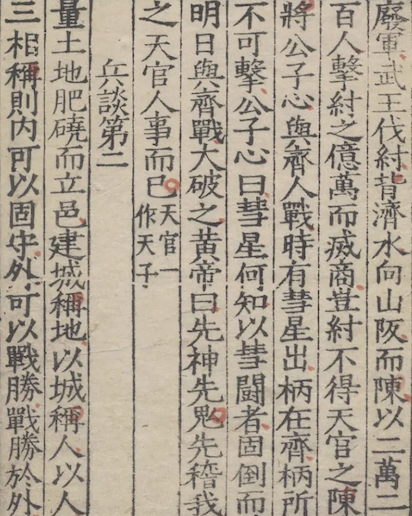
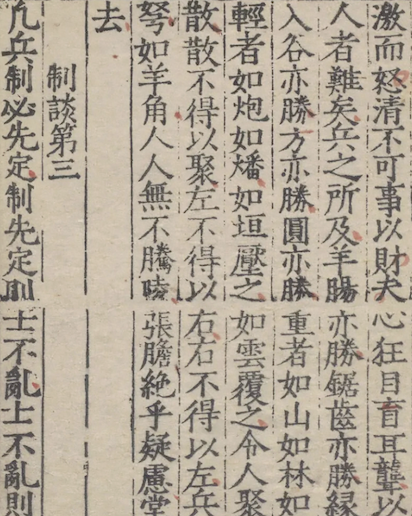
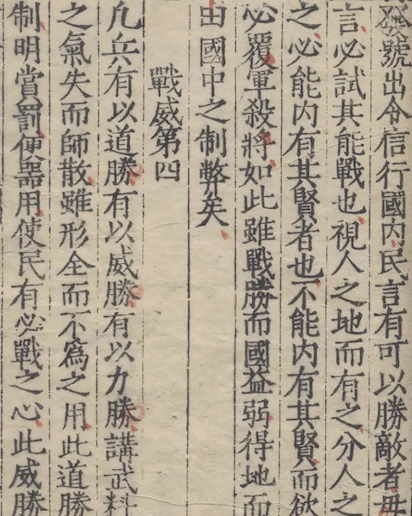
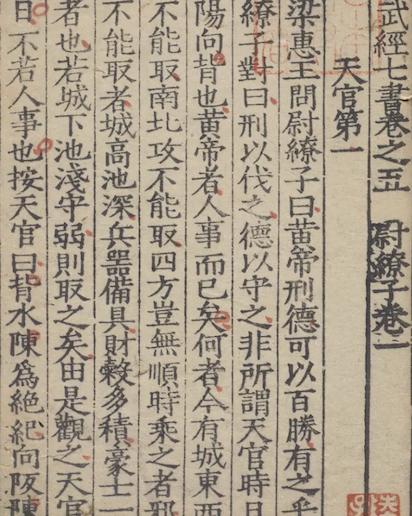
1. National Strategy Level: Chapters like "Heavenly Offices," "Military Discussion," "On Regulations," and "The Power of War" discuss the relationship between war and politics, economy, and popular sentiment.
2. Military Legal System Level: Chapters like "Orders for Severe Punishments," "Orders for the Five-Man Squad System," "Orders for Dividing and Fortifying," and "Orders for Restraining the Squads" detail military organization, structure, collective responsibility systems, and camp management.
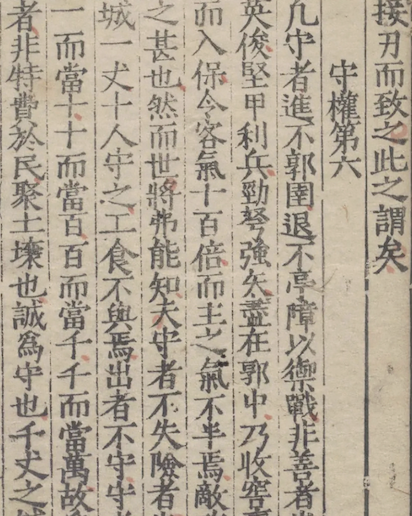
3. Army Administration and Combat Level: Chapters like "The Right to Attack," "The Right to Defend," "The Right to Govern," and "The General's Logic" explore offensive and defensive tactics, the duties of commanders, and battlefield command.
4. Military Ethics Level: Chapters like "The Twelve Mounds" and "Military Deliberation" expound on the way of the general and the justification for using force.
Wei Liaozi systematically summarizes the military institutional and administrative experiences of the late Warring States period, providing a unique institutional perspective on pre-Qin military thought. Its philosophy of combining rigorous organizational management, clearly defined responsibilities, and material incentives holds significant referential value for later military development and even modern organizational management. The pragmatic spirit embedded in the text—"valuing institutions, clarifying rewards and punishments, and focusing on agriculture and war"—transcends the purely military sphere, becoming an important part of the wisdom of state governance in ancient China.