Sun Bin Bing Fa (Sun Bin's Art of War)
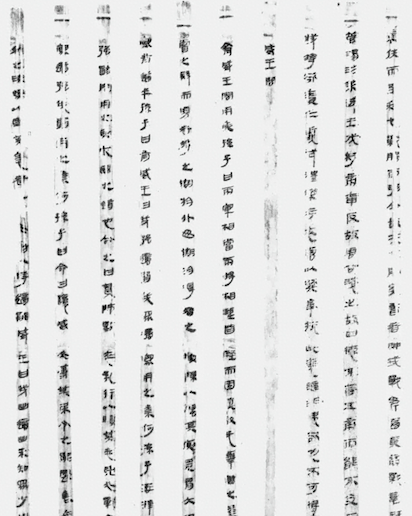
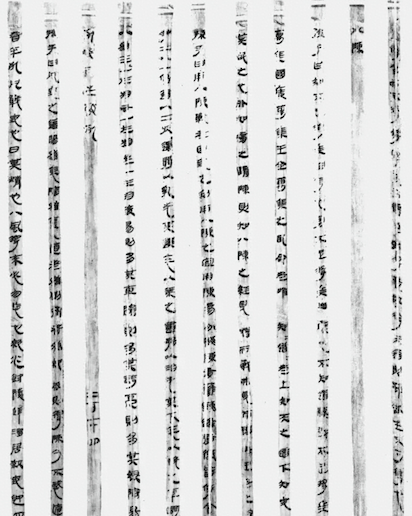
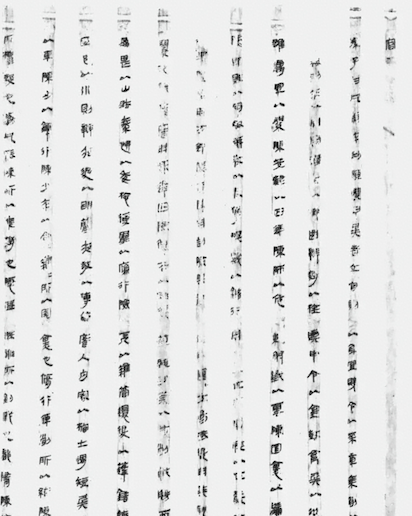
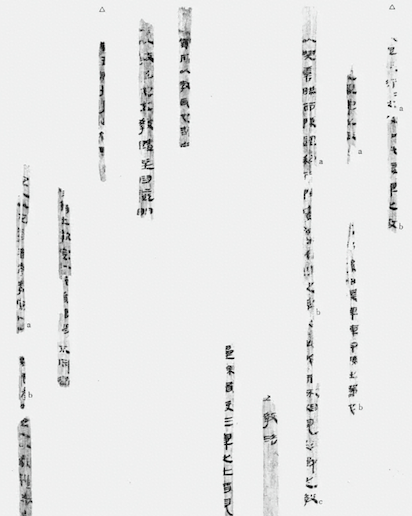
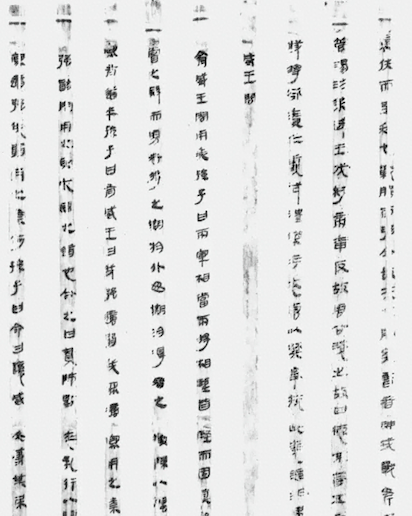
Sun Bin Bing Fa is a military treatise attributed to the renowned strategist Sun Bin of the Warring States period. A descendant of Sun Wu (Sun Tzu), Sun Bin developed a military theoretical system that builds upon The Art of War. His work incorporates the characteristics of warfare during his era—expanded scale and technological advancement—placing greater emphasis on practical tactics, troop deployment, and specialized combat methods. The text was lost for centuries until its dramatic rediscovery in 1972 among the bamboo slips unearthed from a Han Dynasty tomb at Yinqueshan, Shandong. This represents a monumental archaeological and scholarly discovery in the history of ancient Chinese military thought.
Historical Context & Rediscovery
Loss and Recovery: Sun Bin Bing Fa was lost sometime after the Eastern Han Dynasty, leaving its contents largely unknown and leading scholars to question its very existence. The simultaneous discovery of bamboo slips containing both The Art of War and Sun Bin's Art of War in the same tomb confirmed them as two distinct works, resolving a thousand-year-old academic mystery.
Author and Era: Sun Bin was active during the mid-Warring States period. He personally commanded famous battles such as the Battle of Guiling and the Battle of Maling, renowned for employing brilliant tactics like "relieving the besieged by besieging the enemy's base" and "decreasing cooking fires to mislead the enemy." His writing is deeply informed by this firsthand combat experience.
Core Military Thought & Characteristics
Compared to the broader strategic philosophy of Sun Tzu's work, Sun Bin Bing Fa exhibits distinct features:
Focus on "Strategic Advantage" (Shi) and Battle Formations: It delves more concretely into how to create and exploit advantageous battlefield conditions (Shi) and provides detailed discussions on the deployment, variation, and application of various military formations, offering high practical utility.
Emphasis on Disparate Force Levels and Corresponding Tactics: It systematically addresses combat principles for situations of enemy strength/own weakness and relative parity, proposing specific strategies such as "yielding to the enemy's momentum" and "strengthening fortifications and boosting morale."
Importance of Siege Warfare and Equipment: Reflecting the increased prevalence of city warfare during the Warring States, it includes dedicated sections on siege tactics and the use of military engines, expanding upon Sun Tzu's brief dismissal of siege warfare as a last resort.
Development of "Adapting to the Enemy" Thought: It advances the idea that "there is no single way to achieve victory," advocating for the flexible combination of orthodox and unorthodox (Qi and Zheng), hard and soft methods based on specific conditions of the enemy, friendly forces, terrain, and weather.
Content Overview & Modern Value
The current collated edition consists of thirty chapters covering various aspects including commander selection, troop training, formation deployment, tactics, terrain, and offense/defense. Its value lies in:
Military History: It serves as a precious first-hand resource for studying the military institutions, tactical thought, and practices of the Warring States period.
Managerial Insights: Its ideas on organization, morale, and weighing pros and cons offer valuable lessons for modern business management and competitive strategy.
Philosophical Thought: The text contains rich elements of simple dialectical thinking, emphasizing the mutable nature of circumstances, the transformation of contradictions, and analyzing specific situations concretely.
The rediscovery of Sun Bin Bing Fa not only confirms historical records but also allows modern readers to glimpse another profound and pragmatic system of ancient Chinese military wisdom, existing alongside the more famous Art of War.