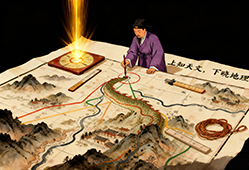
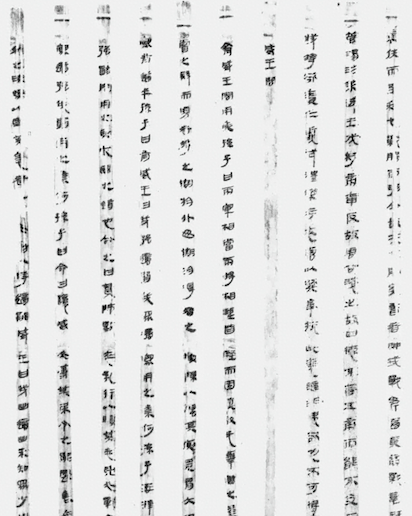
The Methods of the Sima (Sima Rangju's Art of War)
In Stock

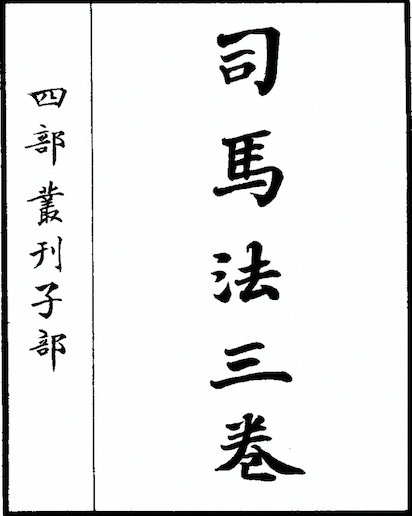
The Methods of the Sima (Sima Rangju's Art of War)

- 0 Customer Reviews

$9.90 $79.90

The Methods of the Sima (Sima Rangju's Art of War): The Classic of Pre-Qin Military Ritual and Benevolence-Centered Warfare

Product Details

The Methods of the Sima (Sima Rangju's Art of War)
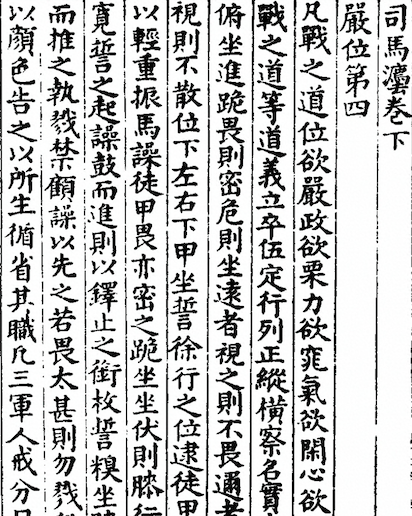
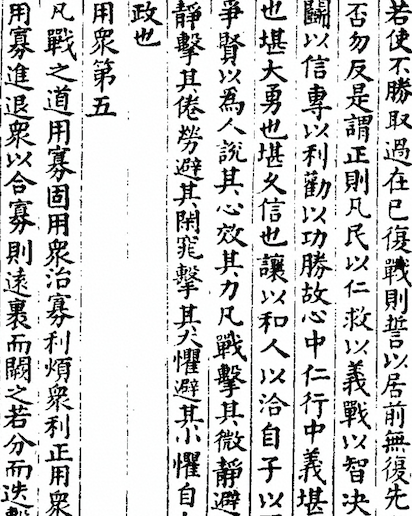
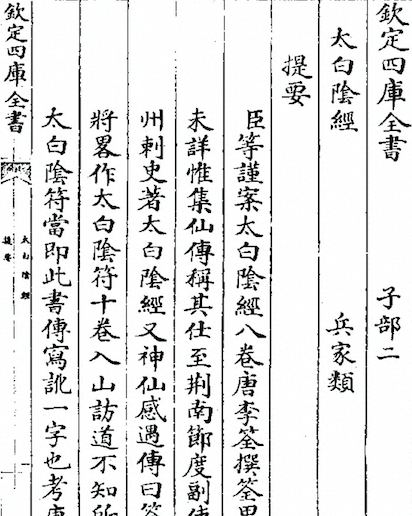
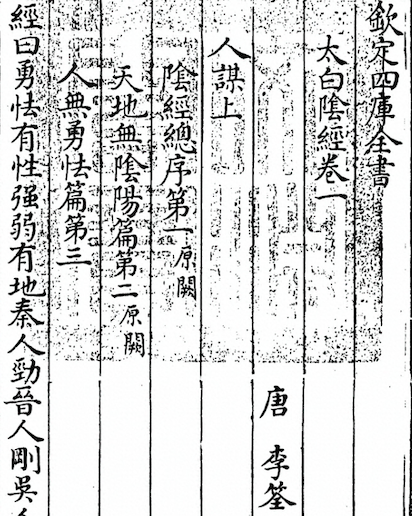
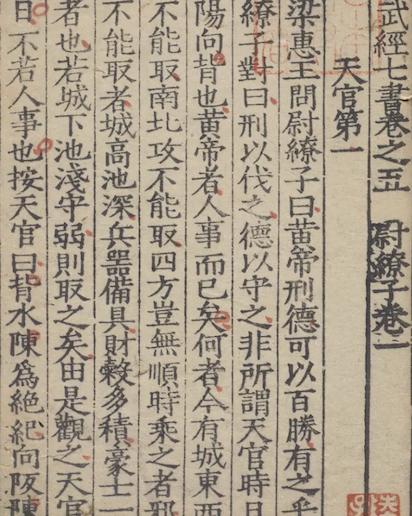
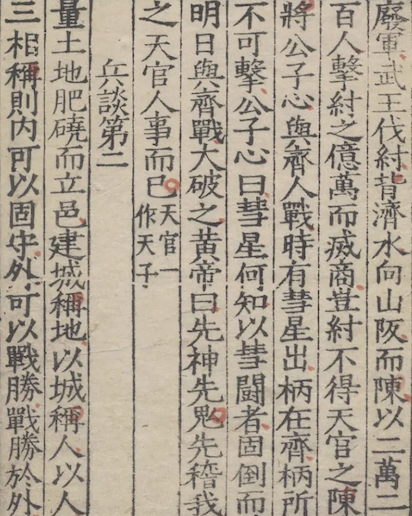
The Methods of the Sima, also known as Sima Rangju's Art of War, is a significant ancient Chinese military treatise. Its content originates from very ancient sources, traceable to the "military ritual" systems of the Western Zhou Dynasty. Tradition attributes its compilation and elaboration to Sima Rangju (Tian Rangju) of Qi during the late Spring and Autumn period, with the text later being compiled and edited by scholars of the Warring States period. Unlike military texts such as The Art of War which focus on concrete tactics and stratagems, this work primarily preserves the ceremonial norms, legal statutes, and benevolence-centered ethics of warfare from an earlier era. Within the Seven Military Classics, it possesses a uniquely archaic and profound philosophical character, serving as a key document for studying the evolution of pre-Qin military institutions and thought.

A "Benevolence-Centered" and "Righteous" View of War

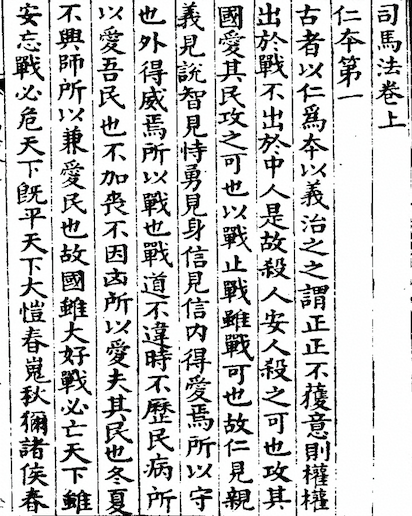
1. "Take Benevolence as the Foundation, Govern with Righteousness": It begins by stating the principle: "In ancient times, taking benevolence as the foundation and governing with righteousness is what is called 'proper'." It regards "benevolent love" as the fundamental starting point for military action, advocating for raising "armies of righteous cause." Its core idea is that "killing to bring peace to people is permissible; attacking a state out of love for its people is permissible," meaning the ultimate purpose of war must be to quell disorder and protect the populace.

2. The Cautious View: "A State, No Matter How Large, Will Perish If It Loves War": It offers a profound warning against militarism, reflecting the deep introspection and restraint towards the violence of war in classical Chinese thought.

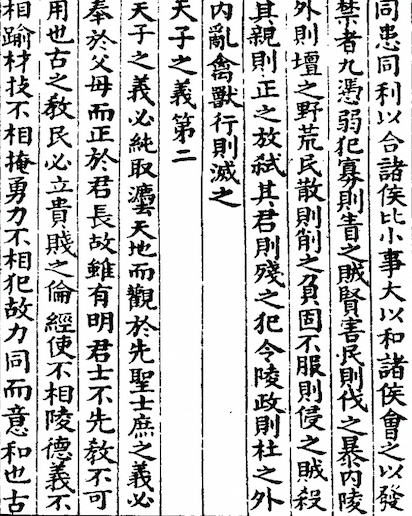
3. The Principle of Separating Civil and Military Spheres: It strictly distinguishes the laws for governing the state from those for administering the army, emphasizing the special discipline and organization required for the military.

The Integration of Military Ritual, Law, and Tactics
The text's content is diverse, merging aspects of military ritual, military law, formations, and tactics.

1. A Precious Record of Military Ritual Systems: It details early ceremonial norms imbued with strong ritualistic character, such as rites for mobilizing armies, presenting captives after victory, military oaths, and battle formations. This provides firsthand material for understanding the ancient integration of "punishment and war" and the system of "ritual, music, punitive expeditions, and warfare."

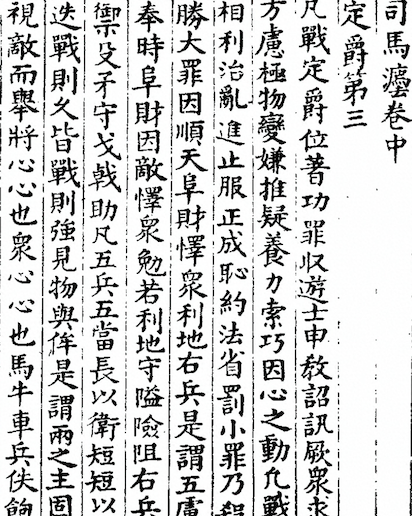
2. Specific Military Laws and Statutes: It contains numerous regulations on military organization, the use of flags and drums, marching and encampment, and systems of reward, punishment, and rank promotion, forming a systematic and rigorous code.

3. Archaic Principles for Using Force: It proposes principles of restraint, such as "pursuing a fleeing enemy should not exceed one hundred paces, and following a retreating enemy should not exceed three days' march," reflecting remnants of a certain "chivalric spirit" or norms of warfare from an earlier age.

Unique Position

1. A "Living Fossil" of Intellectual History: It demonstrates the transitional form from the Western Zhou "military ritual" to the Warring States "military stratagem," preserving the original face of military ethics before the fusion of Confucian benevolent governance and military strategic thought.

2. A "Legal Code" for Institutional History: Its sections on military law profoundly influenced the development of military institutions in later dynasties, especially regarding military discipline, organization, and command systems.

3. Influence on Later Generations: The book's warning that "though the world is at peace, forgetting war will lead to peril" has been widely quoted, and its "benevolence-centered" thought was also esteemed by later Confucian-minded generals.

In today's world, the principles championed by The Methods of the Sima—"cautious approach to war," "benevolence-centered," and "righteous cause"—transcend specific tactics, rising to the level of fundamental reflection on the philosophy of war and national security. It reminds us that military power must be strictly constrained by ethics and political purpose, and formidable force must be combined with lofty virtue. For contemplating conflict resolution, military ethics, and the formation of national strategic culture in modern international relations, this ancient classic still offers a unique perspective grounded in Eastern wisdom.

Product Reviews

Some of the 0 reviews for The Methods of the Sima (Sima Rangju's Art of War)
    No Comments

Your email address will not be published. Required fields are marked *

Your Rating
CODE
exclusive offer

Metaphysics Destiny

limited time offer
UPTO $ 399.00 OFF

ArcaneQi Top Sale 35%