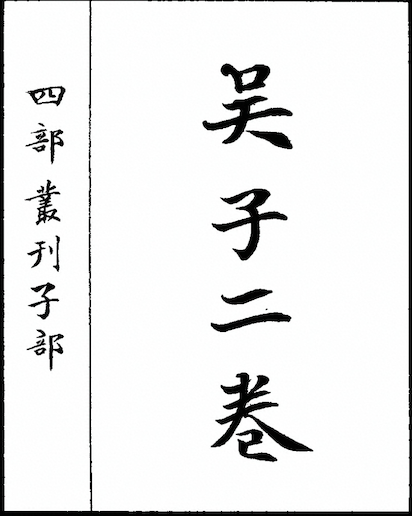
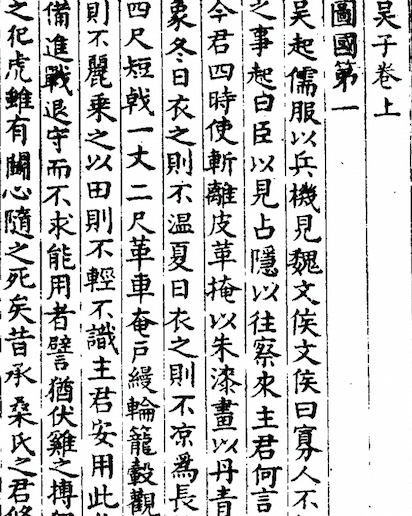
Sun Tzu's The Art of War
In Stock

Sun Tzu's The Art of War

- 0 Customer Reviews

$9.90 $39.90

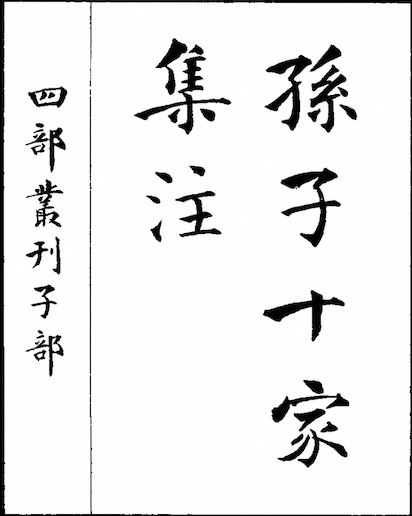
Sun Tzu's The Art of War: The Classic of Eastern Strategic Wisdom

Product Details

Sun Tzu's The Art of War
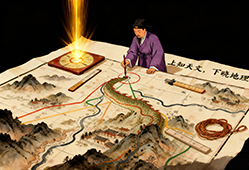
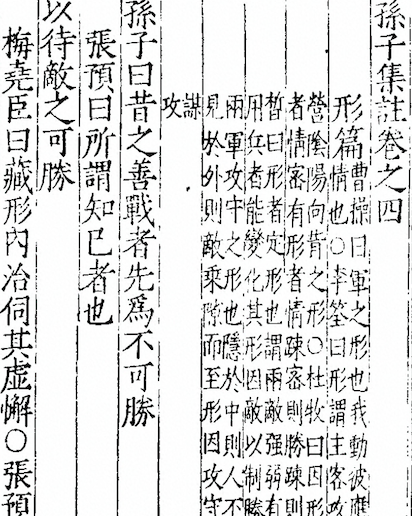
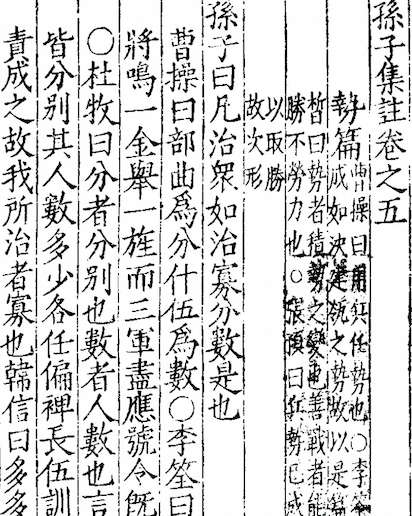
The Art of War, attributed to the ancient Chinese military strategist Sun Tzu (Sun Wu), was compiled around the 5th century BCE. Comprised of thirteen concise chapters, this foundational text systematically outlines the fundamental principles of warfare and military strategy, making it one of the oldest works on military theory in the world. Its value has long transcended the battlefield, evolving into a treasured source of strategic philosophy for fields as diverse as politics, diplomacy, business, management, and personal competition, profoundly influencing strategic thinking both in the East and the West.

Core Strategic Framework

1. The Prudence of War and "Complete Victory": The text opens by emphasizing the grave nature of war, advocating for its cautious consideration. The ultimate ideal it promotes is achieving "complete victory"—"subduing the enemy without fighting"—through superior strategy and deterrence rather than costly direct conflict.

2. "Know the Enemy and Know Yourself": It places supreme importance on comprehensive and accurate intelligence, arguing that a deep understanding of both sides, as well as conditions like terrain and weather, forms the basis for all sound decision-making.

3. Flexibility and Adaptability: It asserts that "military tactics are like water," having no constant form, and thus strategy must remain fluid, adapting flexibly to the changing circumstances of the enemy, one's own forces, and the environment.

4. The Interaction of Orthodox and Unorthodox Methods: Victory is achieved through the dynamic interplay and transformation of direct ("orthodox") and indirect ("unorthodox") tactics.

5. The Hierarchy of Strategic Priorities: It establishes a clear preference for subduing the enemy through strategy first, then diplomacy, with direct armed conflict and siege warfare considered less desirable options.

The thirteen chapters follow a logical progression:

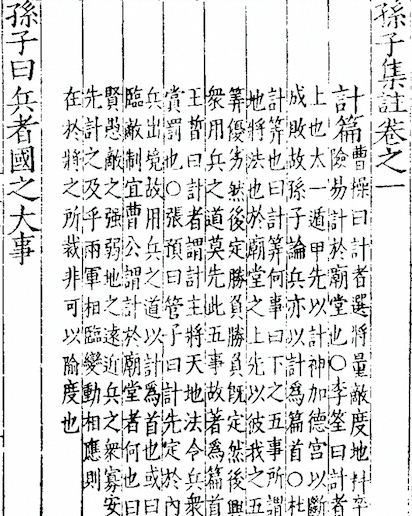
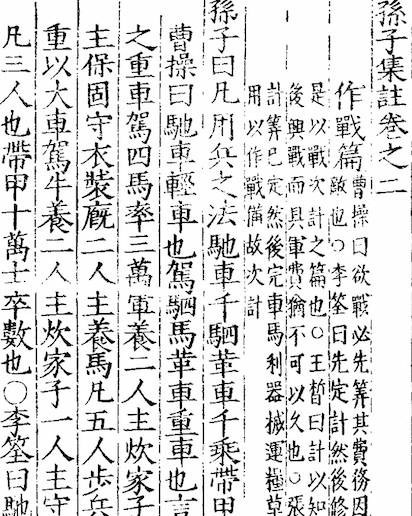
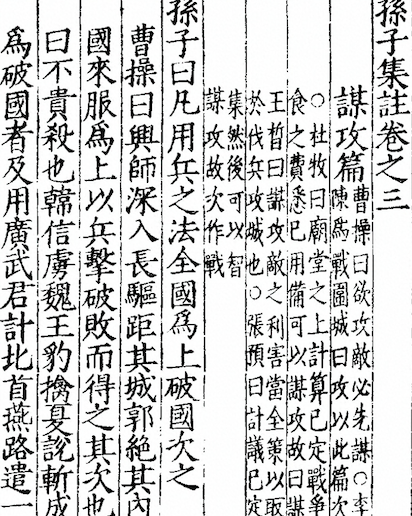
1. Laying Plans, Waging War, Attack by Stratagem: Discuss strategic assessment, logistical preparation, and the highest level of strategic planning before conflict.

2. Tactical Dispositions, Energy, Weak Points & Strong: Explore force deployment, the creation of strategic momentum, and seizing the initiative by attacking vulnerabilities.

3. Maneuvering, Variation in Tactics, The Army on the March, Terrain, The Nine Situations, Attack by Fire, The Use of Spies: Detail battlefield adaptability, leveraging the environment, specific tactics, and the critical use of intelligence.

The wisdom of The Art of War is widely applied today:

1. Business & Management: Its strategic concepts (forming a prototype for tools like SWOT analysis, competitive strategy, and leadership) deeply influence modern corporate strategy, marketing, and negotiation.

2. Politics & Diplomacy: It provides profound insights for statecraft and international strategy.

3. Personal Development: Its principles regarding preparation, adaptation, and competition offer valuable guidance for career planning and problem-solving.
Translated into dozens of languages, it is essential reading in military academies, business schools, and leadership courses worldwide. More than a military manual, it is a timeless philosophy on competition, risk, and decision-making, offering universal principles for navigating complex challenges.

Product Reviews

Some of the 0 reviews for Sun Tzu's The Art of War
    No Comments

Your email address will not be published. Required fields are marked *

Your Rating
CODE
exclusive offer

Metaphysics Destiny

limited time offer
UPTO $ 399.00 OFF

ArcaneQi Top Sale 35%