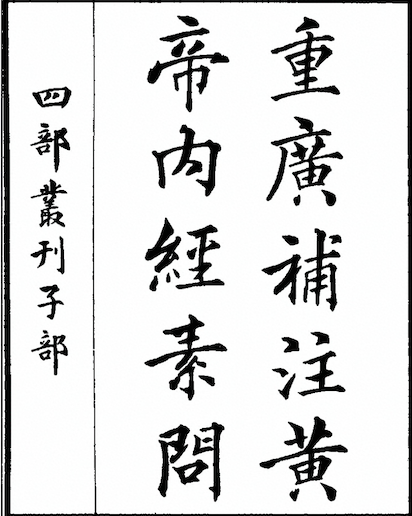
The Yellow Emperor's Inner Canon (Huangdi Neijing)
The Yellow Emperor's Inner Canon (Huangdi Neijing) is the foundational classic of ancient Chinese medicine. Compiled approximately between the Warring States period and the Han Dynasty, it is attributed as a discourse between the legendary Yellow Emperor and his ministers, including Qibo. More than a medical text, it is a comprehensive work on life science, integrating ancient philosophy, astronomy, calendrics, geography, and social knowledge. It established the unique theoretical system of Traditional Chinese Medicine (TCM) and the foundational concept of "preventive treatment," earning its reputation as the "source of all medical doctrines."
Core Theories
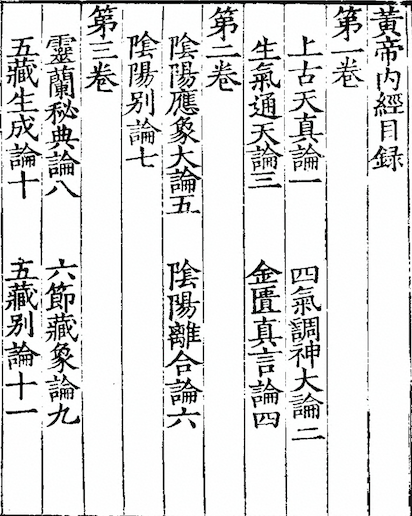
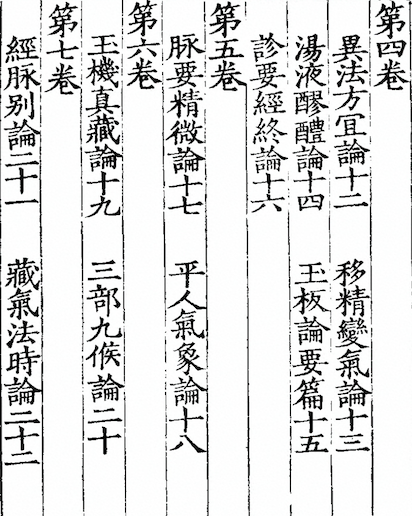
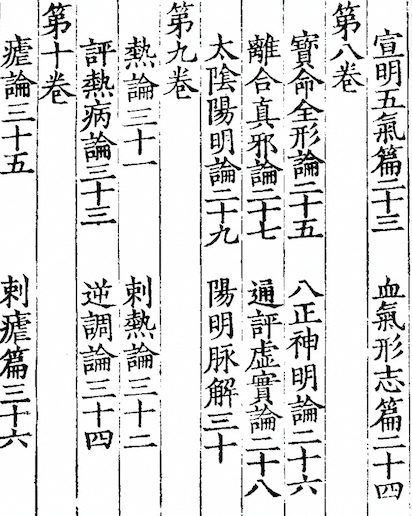
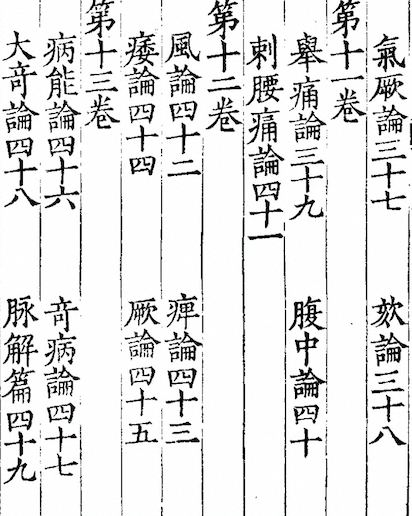
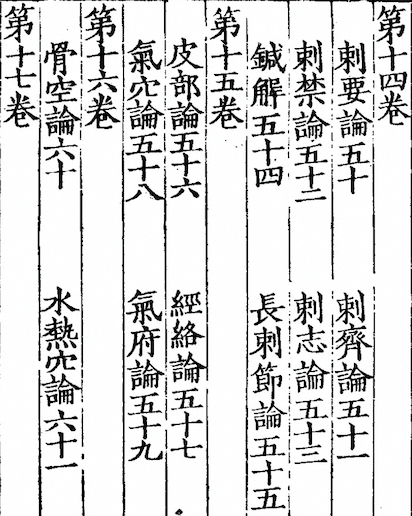
The text is divided into two major parts, each with 81 chapters:
Basic Questions (Su Wen): Focuses on fundamental TCM theory and the philosophy of health preservation. It systematically discusses core concepts such as Yin-Yang and the Five Elements (Wu Xing), organ systems and meridians, disease causes and mechanisms, diagnostic methods, treatment principles, and preventive health.
Spiritual Pivot (Ling Shu): Also known as the Classic of Acupuncture, it emphasizes the body's meridian and acupoint system, acupuncture and moxibustion techniques, and clinical treatment. It is the theoretical source of acupuncture.
Its core theory is built upon the holistic view of "correspondence between humanity and nature," viewing the human body as an organic whole intimately connected and interactive with the natural world. This is expressed through:
1. The Yin-Yang Doctrine: Uses the opposition, unity, waxing, and waning of Yin and Yang to explain human physiology, pathology, and to guide diagnosis and treatment.
2. The Five Elements Doctrine: Uses the generating, overcoming, and transforming relationships of Wood, Fire, Earth, Metal, and Water to link the body's organs, emotions, seasons, etc., into a dynamic, balanced system.
3. The Organ System & Meridian Theory: Centers on the "Zang-Fu" organs and connects the body internally and externally via the "meridians," conceptualized as pathways for energy and information, forming a functional network.
Core Principles
1. Holistic Concept: Emphasizes the unity of the body itself and its harmony with the natural and social environment.
2. Prevention First: Introduces the advanced concept of the "superior physician treating disease before it arises," prioritizing health maintenance and lifestyle in accordance with seasonal changes over treating illness.
3. Pattern Differentiation & Treatment: Establishes the principle of personalized diagnosis and treatment based on individual differences and the stage of disease, moving away from a "one disease, one formula" approach.
The wisdom of the Inner Canon extends far beyond medicine. Its advocated philosophy of health—"following the laws of Yin and Yang, harmonizing with natural rhythms"—has deeply influenced the Chinese lifestyle and health concepts. Today, it remains the fundamental classic for TCM clinical practice and research. Its holistic thinking and preventive principles also offer a valuable source of Eastern wisdom for global fields like preventive medicine, psychosomatic medicine, and complementary therapies. To read The Yellow Emperor's Inner Canon is to explore an ancient yet profound way of life that seeks internal balance and harmony.