Shen Nong Ben Cao Jing (The Divine Farmer's Materia Medica)
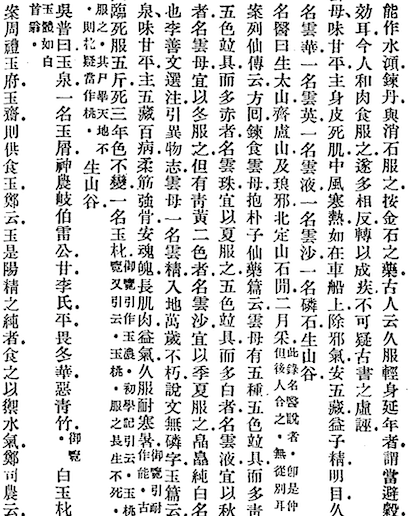
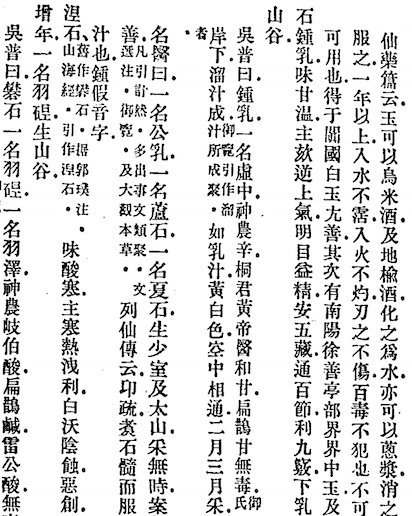
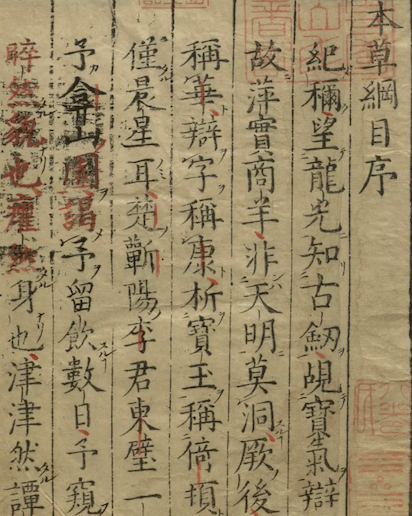
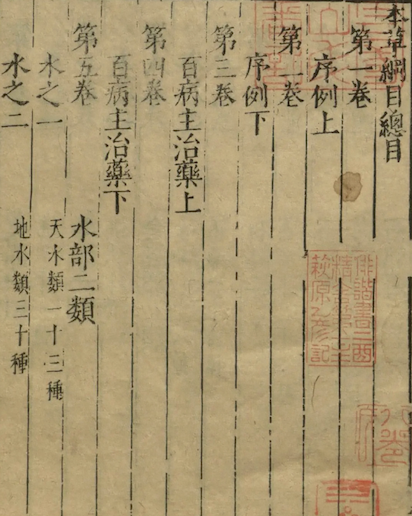
Shen Nong Ben Cao Jing (The Divine Farmer's Materia Medica), often abbreviated as Ben Jing, is the oldest and most systematically complete pharmacological classic extant in China. Compiled around the Eastern Han Dynasty, it is attributed to the legendary cultural hero Shen Nong (the Divine Farmer), a mythical figure associated with the origins of agriculture and medicine. As the seminal text of Chinese herbal medicine, it systematically summarizes pharmaceutical knowledge prior to the Han Dynasty, establishing the fundamental theoretical framework of the field. It exerted a decisive influence on the development of all subsequent Bencao (materia medica) studies and has been revered by generations of physicians as the authoritative classic of pharmacology.
Structure & Herb Classification
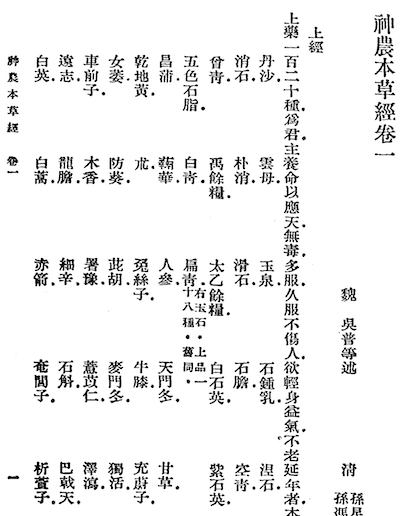
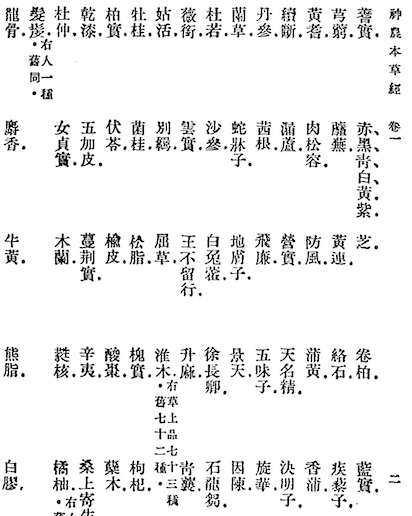
The text records a total of 365 medicinal substances, corresponding to the number of days in a year—a reflection of the philosophical concept of "correspondence between humanity and nature." Its classification system was groundbreaking:
Superior Grade (120 substances): These "nourish life in accordance with Heaven." They are generally non-toxic, tonic substances suitable for long-term consumption to promote health and longevity (e.g., Ginseng, Goji Berry, Reishi Mushroom).
Medium Grade (120 substances): These "nourish nature in accordance with Humanity." They possess both tonic and therapeutic properties, may have mild toxicity, and require careful consideration in use (e.g., Chinese Angelica, Ephedra, Peony).
Inferior Grade (125 substances): These "treat illness in accordance with Earth." They are often toxic or potent substances with strong disease-targeting effects and are not for prolonged use (e.g., Aconite, Rhubarb, Croton Seed).
Core Theoretical Contributions
Establishing Herb Property Theory: It was the first text to systematically propose the concepts of "Four Qi" (寒, 热, 温, 凉—cold, hot, warm, cool) and "Five Flavors" (酸, 苦, 甘, 辛, 咸—sour, bitter, sweet, acrid, salty), defining the essential nature of a substance's action.
Defining Combination Principles: It introduced the theory of the "Seven Interactions" (single effect, mutual enhancement, mutual assistance, mutual restraint, mutual suppression, mutual antagonism, mutual incompatibility), laying the cornerstone for herbal formula composition.
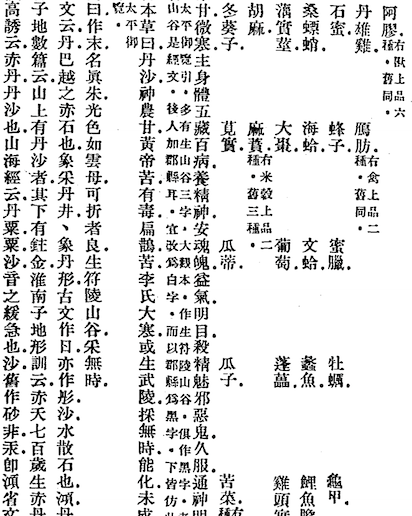
Documenting Functions & Indications: For each substance, it clearly records its habitat, properties & flavors, therapeutic effects, primary indications, and alternative names. The efficacy of most herbs listed has been validated through millennia of clinical practice and remains relevant today.
Embodying Preventive Philosophy: Descriptions of superior-grade herbs promoting "lightness of body, boosting qi, preventing aging, and extending life" reflect early Chinese medicine's emphasis on preventive health and "treating disease before it arises."
Historical Impact & Modern Relevance
Shen Nong Ben Cao Jing served as the foundational source for all later officially compiled pharmacopoeias (e.g., Tang Materia Medica, Compendium of Materia Medica). Its theories remain central to guiding clinical herbal practice. Modern research and development in Chinese herbalism often return to this text to trace origins and validate traditional knowledge. The documented effects of many herbs, such as Coptis (黄连), Astragalus (黄芪), and Licorice (甘草), have been partially confirmed by contemporary pharmacological studies. More than a medical text, it is a cultural treasure embodying the ancient Chinese worldview, perspective on life, and philosophical wisdom.