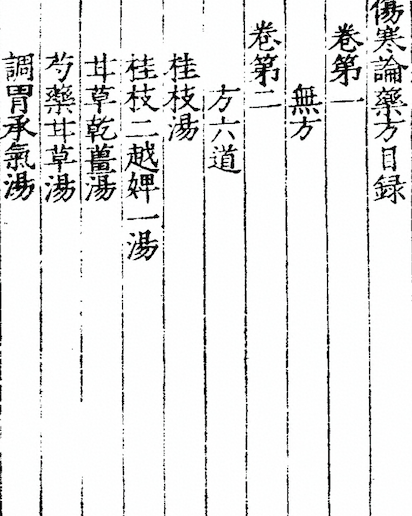
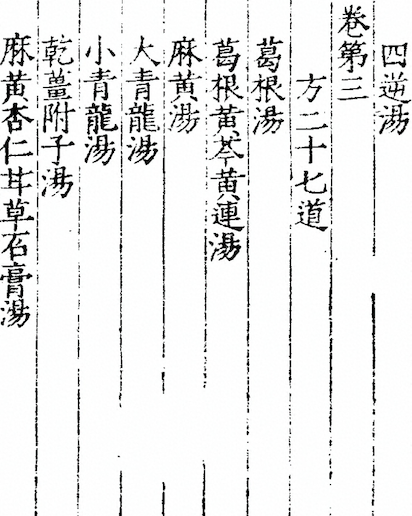
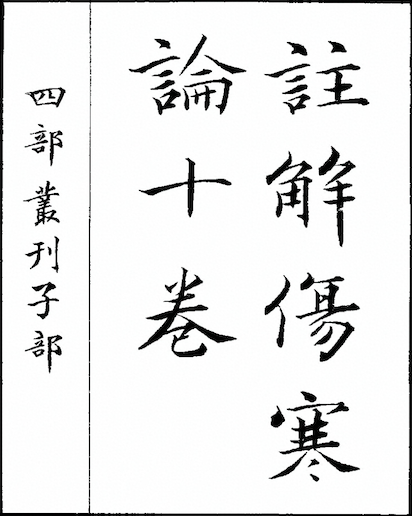
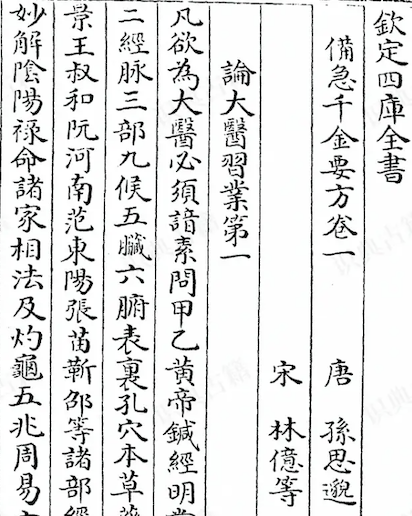
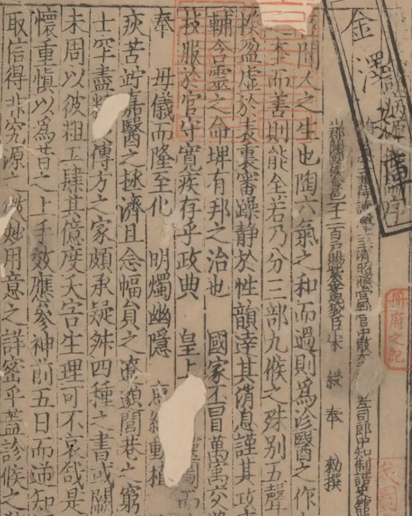
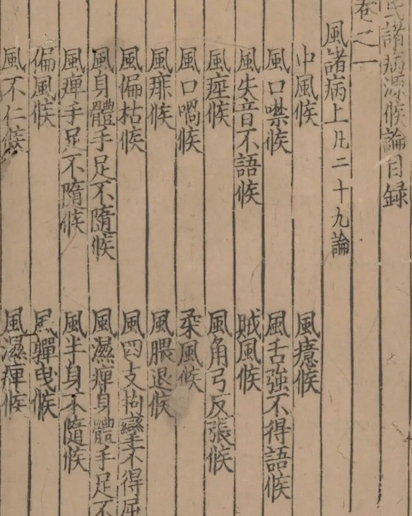
Zhu Jie Shang Han Lun (Annotated Treatise on Cold Damage)
Zhu Jie Shang Han Lun (Annotated Treatise on Cold Damage) is the first systematic, line-by-line commentary on the seminal Chinese medical classic Shang Han Lun (Treatise on Cold Damage). Completed in 1142 by the Jin Dynasty physician Cheng Wuji, this landmark work pioneered the scholarly interpretation of Shang Han Lun. It not only explains the deeper meaning of Zhang Zhongjing's original text but also constructs a comprehensive theoretical framework by integrating doctrines from foundational texts like The Yellow Emperor's Inner Canon. This process enabled the systematic transmission of Shang Han Lun's core principles of pattern differentiation and treatment, establishing it as the foundational text for all subsequent "Cold Damage studies."
Core Features
1. The First Systematic Exegesis: Cheng Wuji was the first to systematically employ the medical theories of The Inner Canon and The Classic of Difficulties to interpret the passages of Shang Han Lun. This method firmly grounded Zhang Zhongjing's clinical practices in classical medical theory.
2. Integration of Theory and Practice: His analysis of diseases and patterns is both profound and accessible. He explains not only "what" a passage means but also "why," such as using the theory of "Nutritive and Defensive Qi and Blood" to explain the mechanism of formulas like Gui Zhi Tang (Cinnamon Twig Decoction) and Ma Huang Tang (Ephedra Decoction), providing clear theoretical guidance for formula application.
3. Establishing a Commentary Model: The book established the format of line-by-line annotation, encompassing comprehensive explanations of disease names, symptoms, pulse signs, herb properties, and formula rationale. This model set the standard for hundreds of commentators who followed.
Core Content
1. Systematizing Six-Channel Pattern Differentiation: Through his commentary, Cheng Wuji clarified the progression patterns and diagnostic essentials of the "Six Channels" (Taiyang, Yangming, Shaoyang, Taiyin, Shaoyin, Jueyin) described in Shang Han Lun, promoting the refinement and widespread adoption of this diagnostic framework.
2. Preserving and Standardizing the Classic Text: The version of Shang Han Lun Cheng Wuji based his work on holds significant textual value. His commentary itself played a crucial role in collating, preserving, and standardizing the original text, which is vital for later textual criticism.
3. A Critical Scholarly Bridge: The work served as an essential bridge of understanding between Shang Han Lun and later physicians. Without Cheng Wuji's annotations, the classic might have remained obscure, and its academic influence would not have expanded so rapidly.
Zhu Jie Shang Han Lun remains an indispensable introductory text and core reference for studying Shang Han Lun. It is more than a simple commentary; it is a profound work of medical theory in its own right. Researchers use it to understand the state of Chinese medical theory during the Song-Jin period, while clinicians rely on its insights to grasp the essence of classical formula application more accurately. It marks the transition of Shang Han Lun studies from a collection of clinical summaries to a new phase of systematic theoretical exposition.