Zhu Bing Yuan Hou Lun (Treatise on the Origins and Manifestations of Diseases)
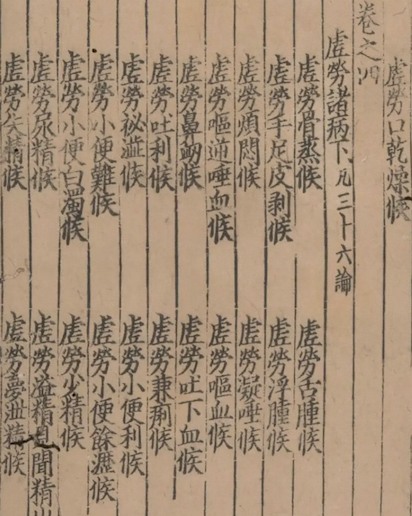
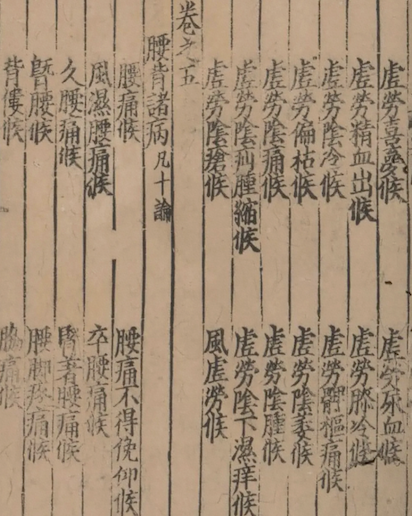
Zhu Bing Yuan Hou Lun (Treatise on the Origins and Manifestations of Diseases), also known as Chao Shi Bing Yuan, was compiled under the direction of Chao Yuanfang, a leading court physician of the Sui Dynasty, and completed in 610 CE. This work is the first comprehensive monograph in the history of Chinese medicine dedicated to the systematic study of disease etiology, pathomechanisms, and clinical manifestations. It marks a pivotal evolution in Chinese medical theory, shifting focus from "treating identified diseases" toward the more nuanced approach of "investigating causes to differentiate patterns." It established a solid foundation of etiological and pathological theory for later clinical medicine and is honored as the "origin of etiology and symptomatology" in Traditional Chinese Medicine (TCM).
Content Structure & Compilation Features
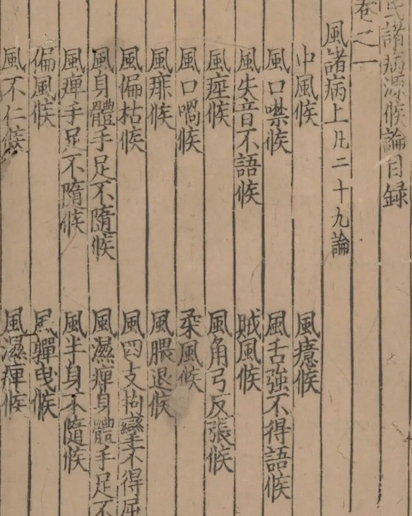
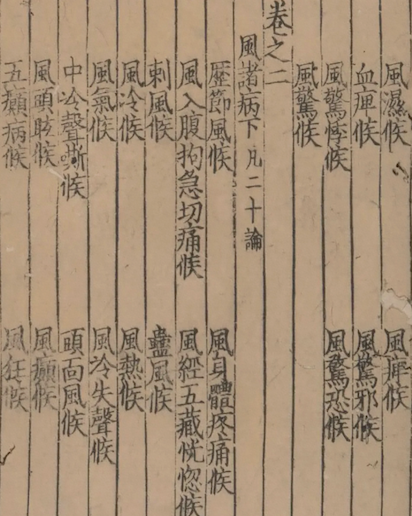
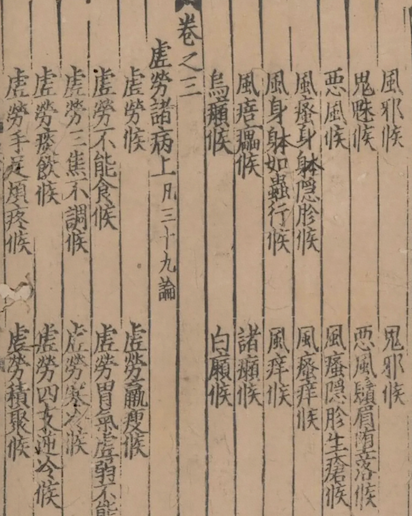
The text comprises 50 volumes, organized into 67 categories, and systematically discusses 1,739 distinct disease manifestations. Its most distinctive feature is its exclusive focus on theory: it "discusses only disease origins, without listing formulas," dedicating itself to exploring the root causes and progression of diseases rather than providing specific prescriptions.
1. Comprehensive Etiological Classification: It covers diseases from internal medicine, surgery, gynecology, pediatrics, ENT, dermatology, and infectious diseases, providing the first systematic classification and explanation of causes for a wide range of ailments.
2. Detailed Description of Manifestations: For each disease manifestation, it meticulously details its clinical presentation, developmental process, and prognosis. It contains the first accurate records of symptoms for many conditions, such as Xiao Ke (wasting-thirst, akin to diabetes), leprosy, and parasitic diseases.
3. Pioneering Etiological Concepts: Building upon earlier knowledge, it systematically introduced new insights into causation, including concepts like "guaili zhi qi" (pestilent or infectious qi), "jin chuang zhong feng" (wind-strike following metal trauma, i.e., wound infection), and "zhu chong" (various parasites). It also emphasized internal causes like emotional disturbances and improper lifestyle.
Core Academic Contributions & Value
1. Foundation for "Treating Based on Cause": It positioned "etiology" as central to diagnosis and treatment, emphasizing that "the skilled physician excels at diagnosing the source." This principle—that treatment must first seek the root cause—profoundly influenced the later clinical mindset of "differentiating patterns to seek the cause, then treating based on the cause."
2. Enrichment of Pathomechanism Theory: It provided detailed explanations of the internal mechanisms of disease onset, development, and transmission (e.g., the pathological evolution of consumptive fatigue "Xu Lao," the progression patterns of cold damage "Shang Han"), greatly enriching TCM pathophysiology.
3. Preservation of Historical Medical Data: The book preserves a vast record of the understanding, diagnostic techniques, therapeutic approaches, and health-preserving Daoyin (guided exercise) methods for numerous diseases from the Sui era and earlier, holding immense value for research in medical and social history.
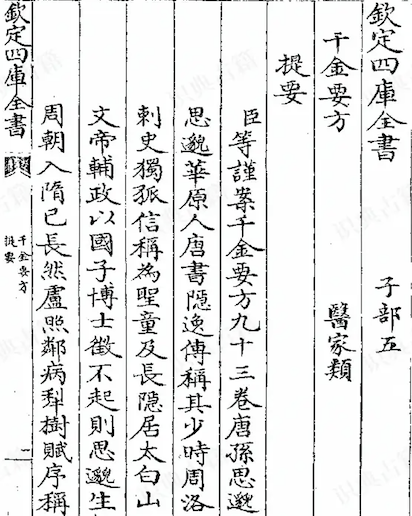
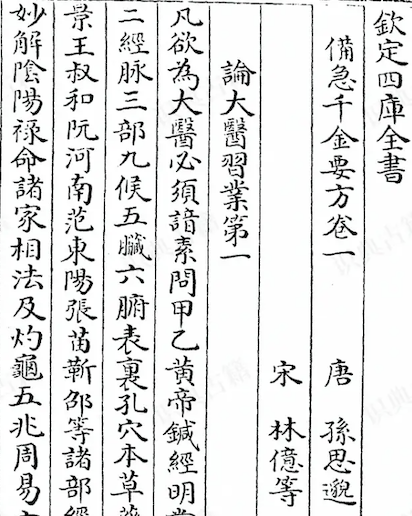
4. Guidance for Later Clinical Specialties: Its precise analysis of etiology and pathomechanisms directly guided the compilation of major clinical works in the Tang Dynasty, such as Essential Formulas Worth a Thousand Gold and Medical Secrets of an Official, and provided a theoretical wellspring for the formation of various medical schools in the Song, Yuan, and later periods.
Zhu Bing Yuan Hou Lun forms a crucial bridge in Chinese medical history, connecting the foundational theories of The Inner Canon and The Classic of Difficulties with the flourishing medicine of the Tang and Song dynasties. In the modern context, it is not only a vital text for studying TCM etiology and disease history, but its holistic, dynamic thinking—emphasizing the origin and progression of disease—still offers profound insights for modern etiological research and the management of chronic diseases. Studying this work provides a window into the wisdom of how Chinese medicine uses systemic thinking to perceive the nature of disease.